Late wheat can look quiet from a distance. Heads are out, the crop is changing color, and it may seem as if the field only needs time. In practice, this is when earlier differences finally become visible: uneven head height, weak patches, lodging risk, and grain that dries at different speeds.
For seedbed firmness, planting depth, and early weak spots, start with the main wheat growing guide. This article looks later in the crop, from grain fill to harvest, when water, stand support, maturity checks, and drying decisions matter more than simply waiting for the field to turn yellow.
Head uniformity matters more as harvest gets closer
A wheat field can look uniform from the road and still be uneven inside. Some heads may be nearly mature while weaker areas are still behind. Field edges, lower patches, and places with uneven emergence often show the difference first. That unevenness affects harvest timing because grain moisture will not be the same across the whole field.
Walk into the crop rather than judging only by color. Check head height, grain fill, and whether the weaker areas are still far behind the main stand. The same habit helps in other field crops too: the corn harvest timing guide makes the same point that outside color is only one part of the decision.
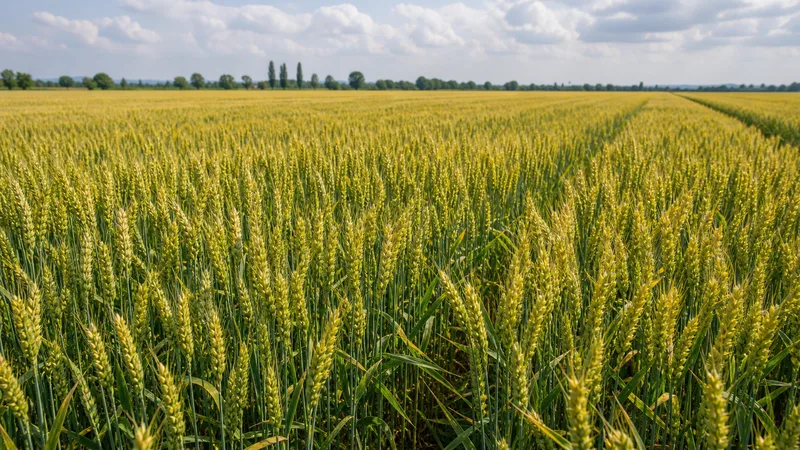
Grain fill needs moisture, but the field still has to carry harvest
Wheat needs enough moisture during grain fill to keep the upper leaves working and help kernels finish. Too little water can shorten the filling period. Too much water or poor drainage can leave the root zone short of air and make harvest access more difficult. Late moisture also matters because the crop is heavier and more vulnerable to lodging.
When water is needed, the question is not only whether the soil is dry at the surface. It is whether the crop can use the water and whether the field can dry back in time. Rice is managed very differently, but the late-season rice guide shares the same practical idea: water decisions near harvest have to respect both grain fill and field access.
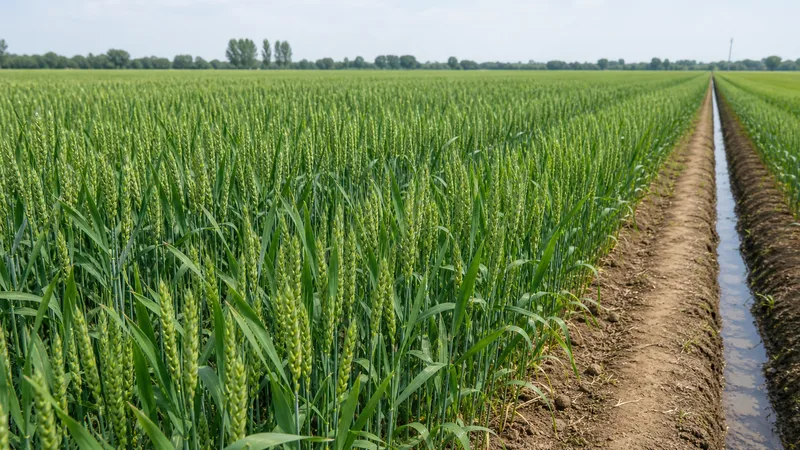
Lodging usually has warning signs before the storm
Lodging may appear suddenly after wind or rain, but the risk often builds earlier. Dense stands, weak lower stems, heavy heads, wet soil, and over-soft growth can all reduce support. A field that looks productive can still be close to bending if the base of the stand is weak.
Pay special attention to low areas, field edges exposed to wind, lush patches, and places that stayed wet longer than the rest of the field. If those areas are already leaning and the grain is close to ready, delaying harvest can turn a manageable crop into a more difficult one.
Check kernels, not only awns and leaves
Color helps, but it is not enough. Before setting the harvest window, sample heads from several parts of the field and rub out the grain. Look at kernel firmness, fullness, and moisture feel. If the crop is uneven, judge the field by the main stand, the weaker patches, and the weather risk together.
Cutting too early can leave grain with higher moisture and less finished weight. Waiting too long can expose the crop to lodging, shattering, rain, and quality loss. The right window is not a fixed calendar date; it is the point where maturity, field condition, and weather risk line up well enough to move.
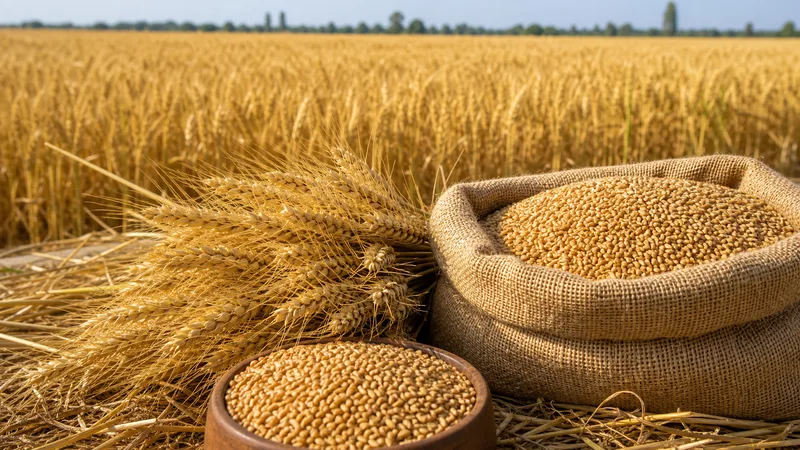
Drying after harvest is still part of quality
Harvest does not finish the quality work. If grain moisture is still high, thick piles and poor airflow can quickly create problems. Smaller lots may need thin spreading and ventilation. Larger harvests need drying and storage decisions that match the grain condition, not just the field schedule.
The last stage of wheat is easy to underestimate because it looks less active than the early crop. But grain fill, lodging risk, harvest timing, and drying are where a promising stand becomes either a clean harvest or a more complicated one.