Latest Articles
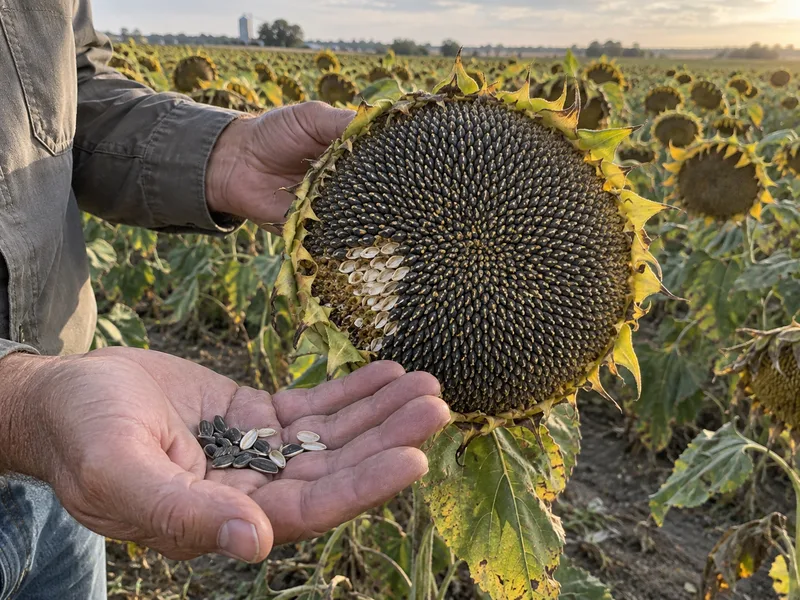
The Sunflower Head Looks Full. Are the Seeds Actually Filled?
Sample a few sunflower heads before blaming pollination: separate empty shells, damaged seed and bird loss, then revisit flowering conditions.
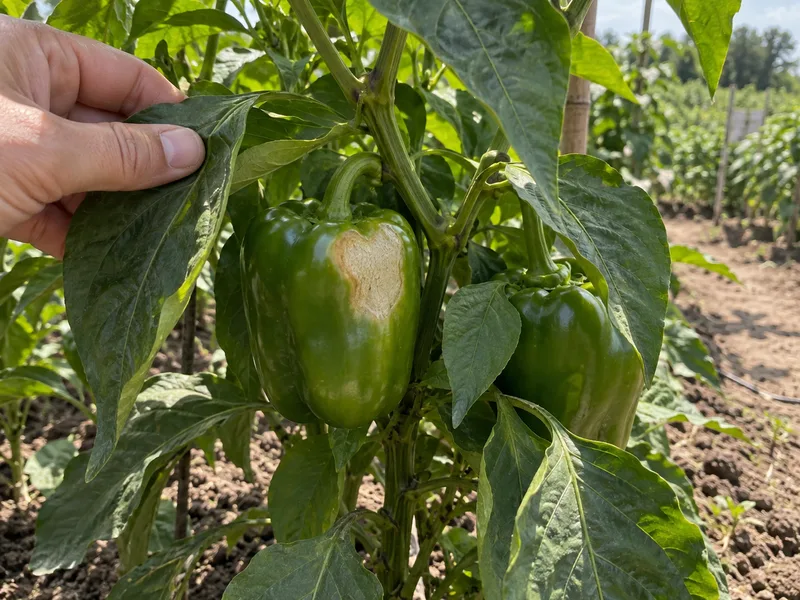
A Pale Patch on a Pepper: Check the Fruit, Then the Leaves Above It
Use the position and texture of a pale pepper-fruit patch, nearby fruit and leaf cover to assess possible sunscald.
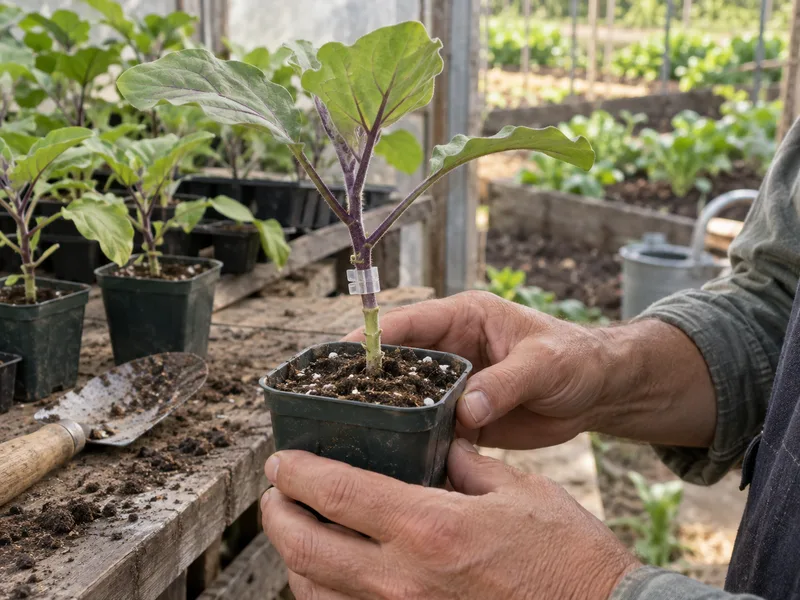
Before Planting a Grafted Eggplant, Find the Line That Must Stay Above Soil
Inspect the scion, graft union, rootstock shoots and root ball before a grafted eggplant seedling goes into the garden.
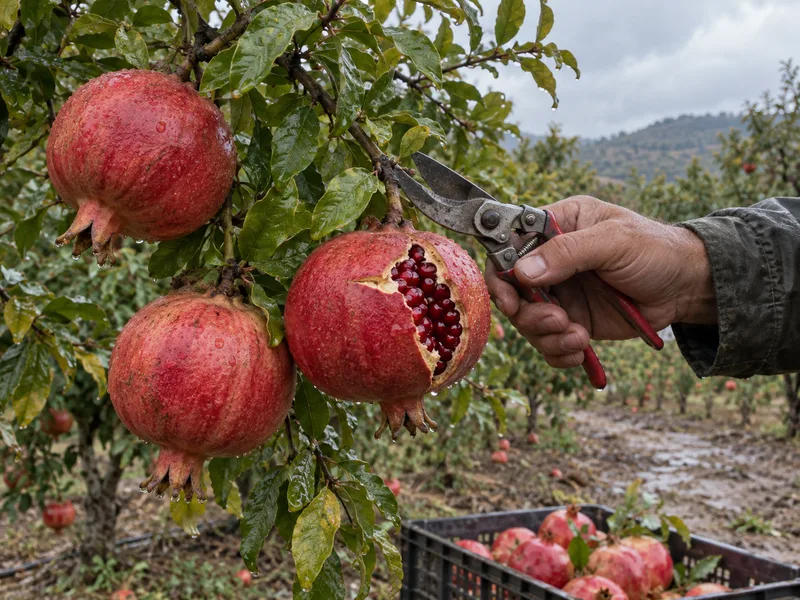
Pomegranates Split After Rain: Which Fruit Should You Pick First?
A practical orchard walk for sorting open splits, fine rind cracks and intact pomegranates after rain.
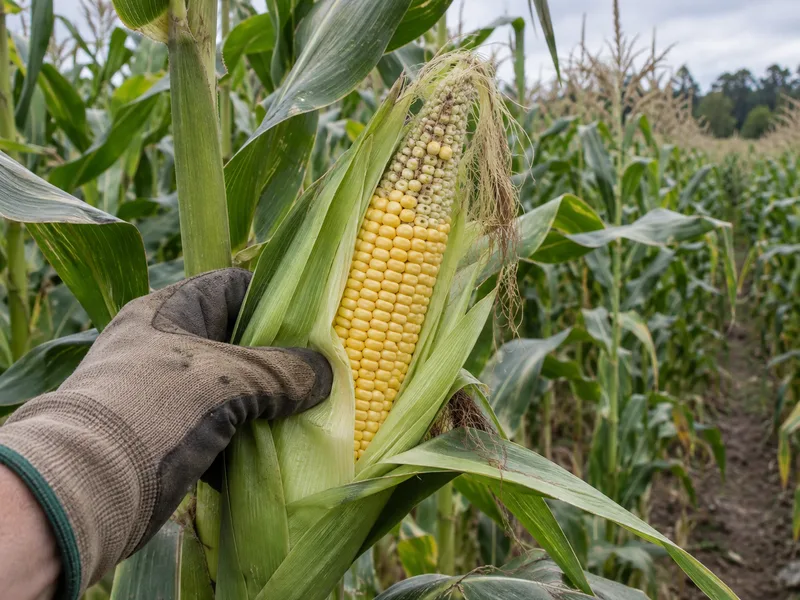
Missing Kernels on a Corn Ear: Pollination Gap or Early Kernel Loss?
Use the location and stage of missing kernels to distinguish incomplete corn pollination from loss after fertilization.
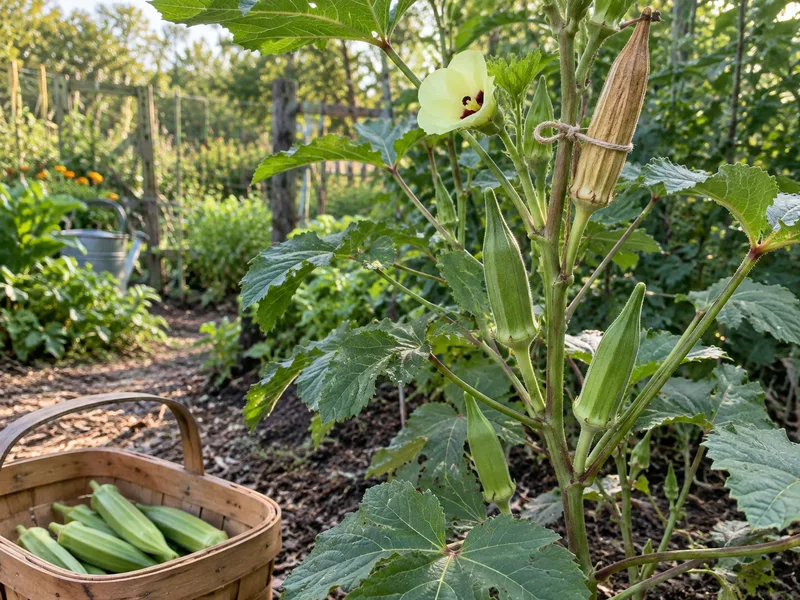
The Okra Pod You Do Not Pick: Saving Seed While the Rest Stay Tender
Choose, mark and mature an okra seed pod without confusing it with the tender pods that still need frequent harvesting.
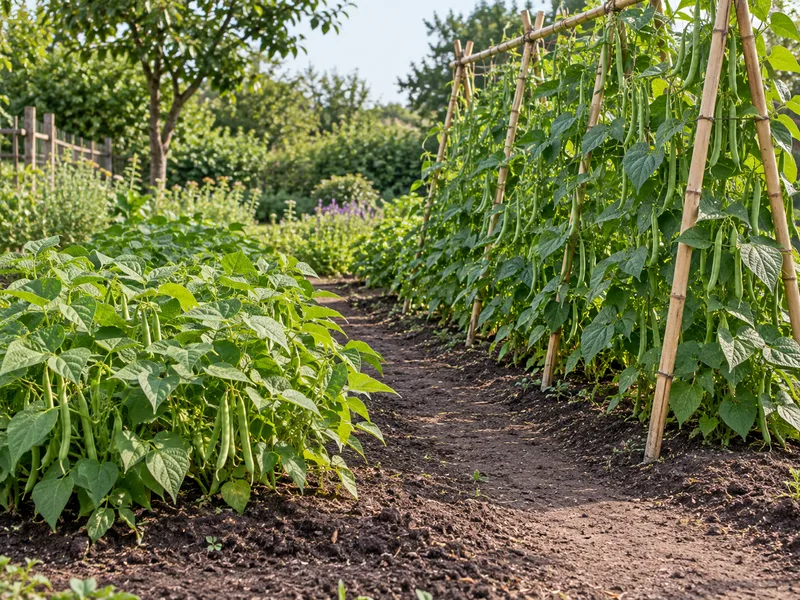
Bush or Pole Beans? Choose for Your Space and Harvest Routine
Compare support needs, picking access and harvest patterns before choosing common snap beans for a small garden.
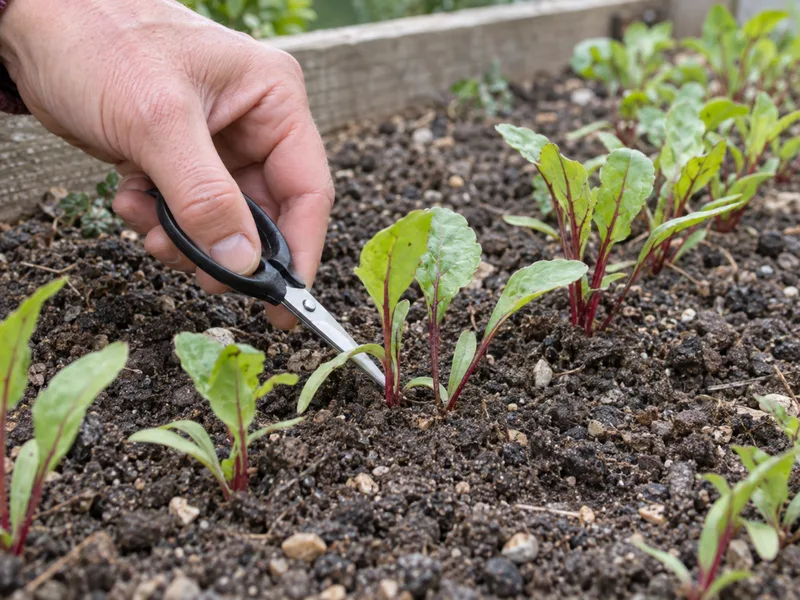
Why One Beet Seed Produces a Clump of Seedlings
Choose between individual roots and baby-beet clumps, then thin crowded seedlings without pulling loose the plants you want to keep.
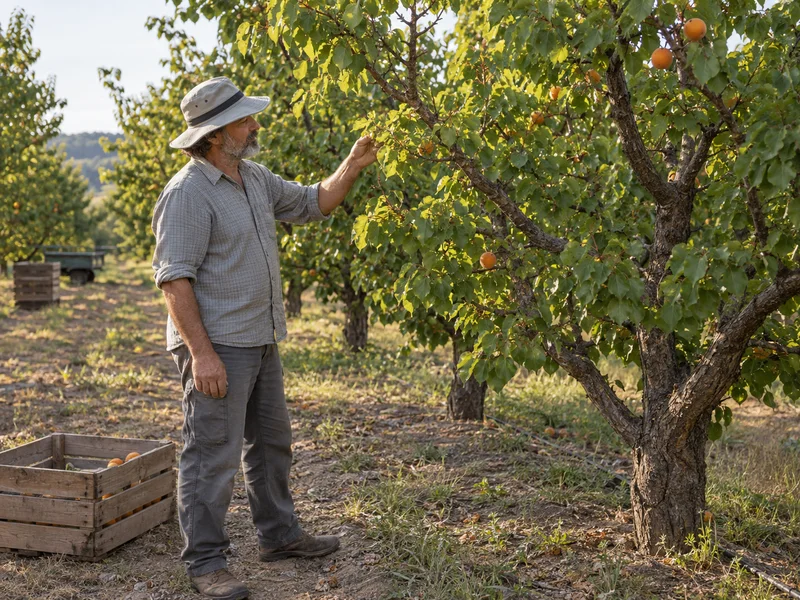
Apricot Harvest Leaves Behind a New View of the Tree
A practical apricot post-harvest review that links picking-day observations with newly visible canopy structure, fruiting wood, and a measured next q…
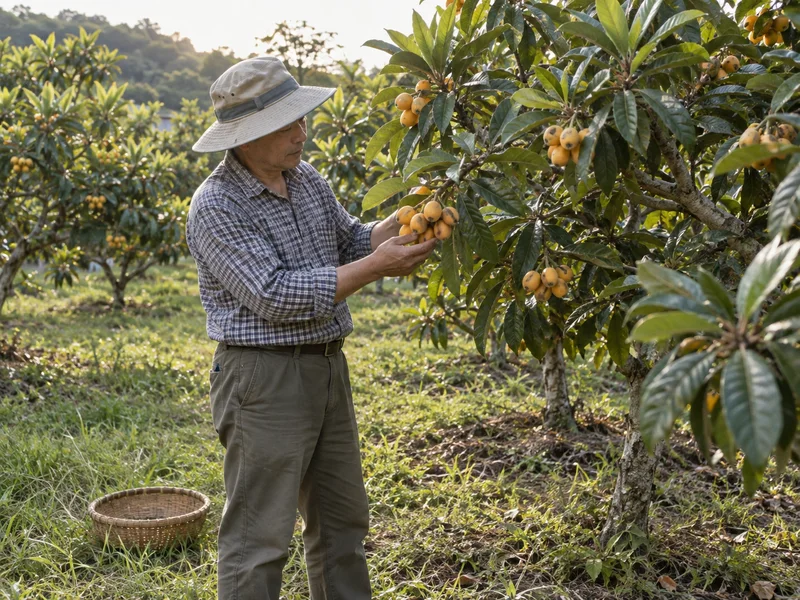
A Loquat Tree Is Easier to Read One Branch at a Time
A quiet orchard-walk note about using one loquat branch as a return point, reading fruit clusters in context, and keeping later decisions connected t…
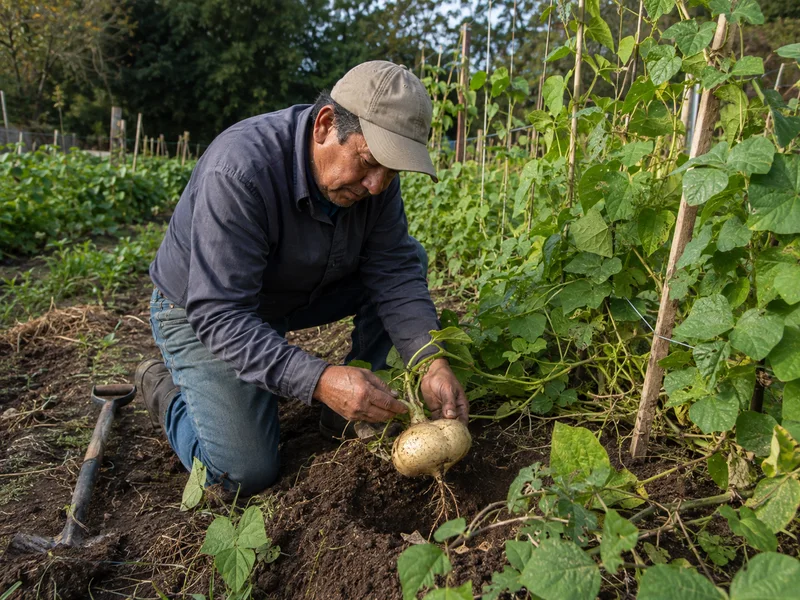
Jicama Has Two Stories: the Vines Above and the Roots Below
A field-observation note for reading jicama vines and underground roots as related but separate parts of the crop.
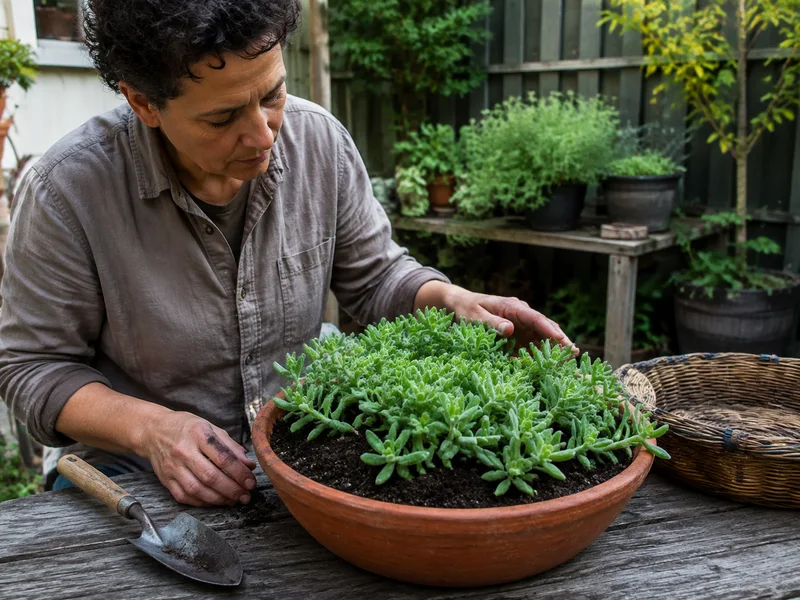
Growing Ice Plant in a Small Outdoor Container
A calm, root-zone-first approach to growing ice plant in a small outdoor container, with practical checks that connect care to the way fresh leaves a…
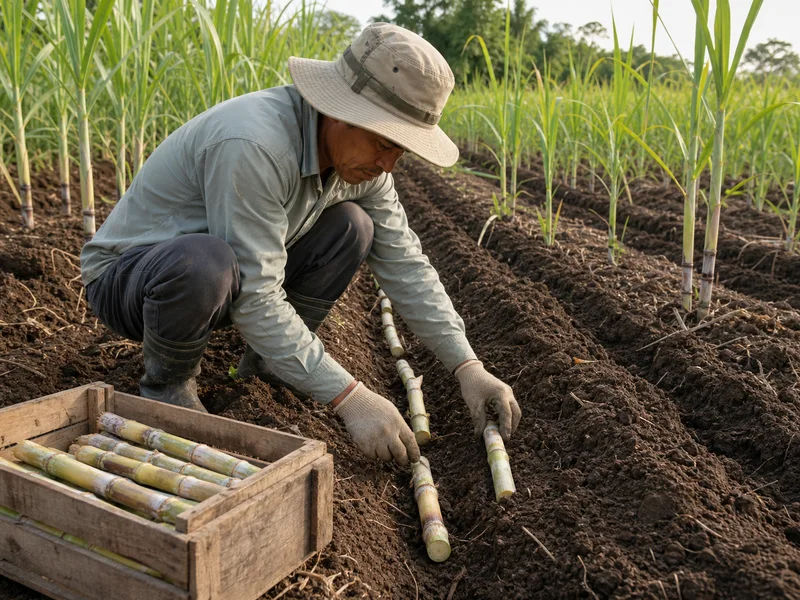
The First Sugarcane Row Is a Working Map
A practical field note on selecting sugarcane planting pieces, laying a readable row, and leaving a clear handoff for the work that follows.
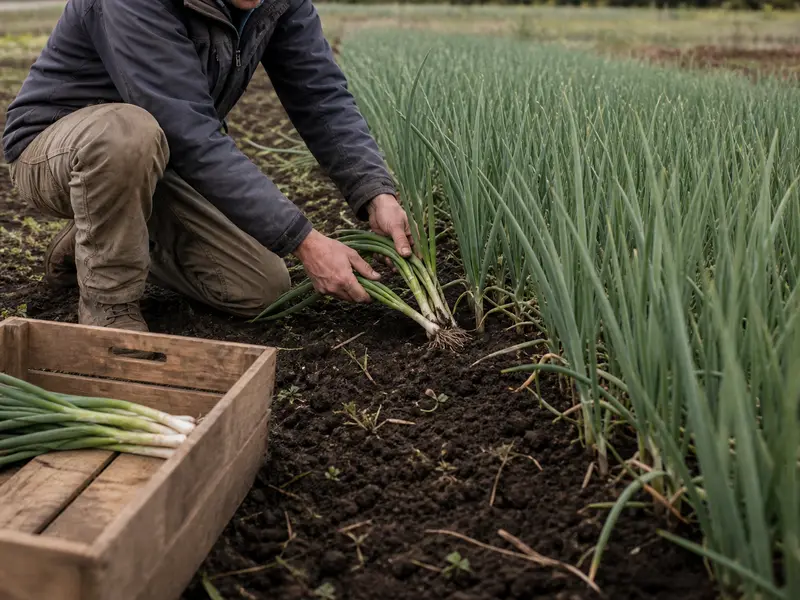
Harvest Green Onions by Following the Row, Not the Calendar
A field-note approach to harvesting green onions in short, readable sections, using the row itself to decide where a picking pass should begin and st…
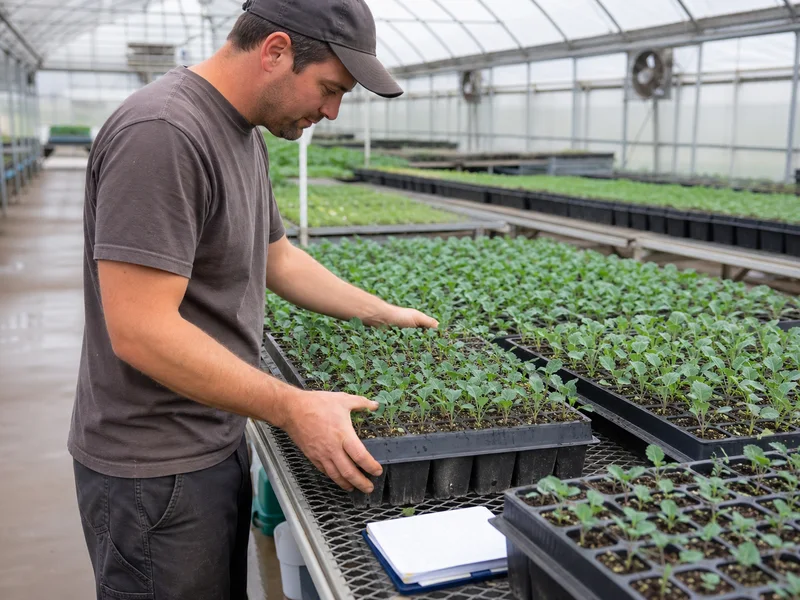
A Broccoli Tray Should Be Read in Groups Before It Goes to the Field
A nursery-tray routine for grouping broccoli seedlings before transplanting, so the move into the field starts with clearer comparisons and return ch…
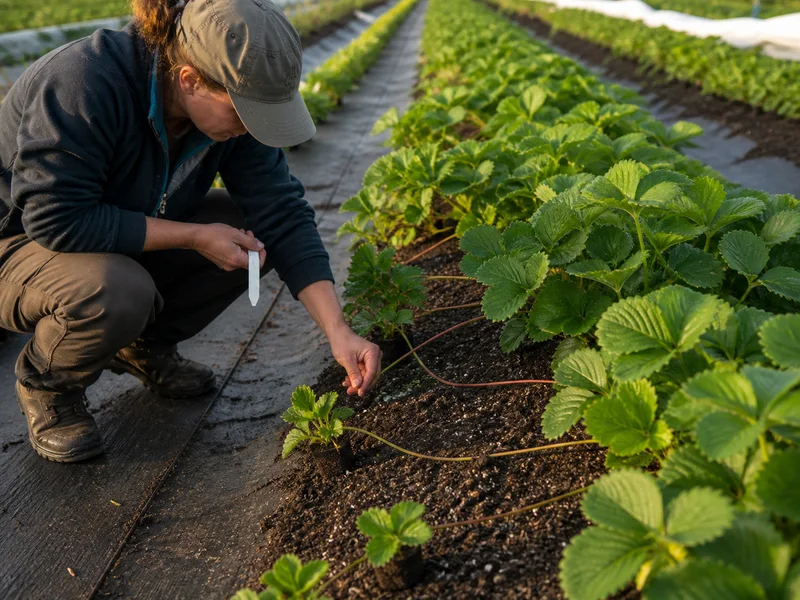
A Strawberry Runner Row Is Easier to Manage When Its Starting Point Is Still Visible
A practical nursery-row routine for following strawberry mother plants, runners, and young plants before the foliage hides their connection.
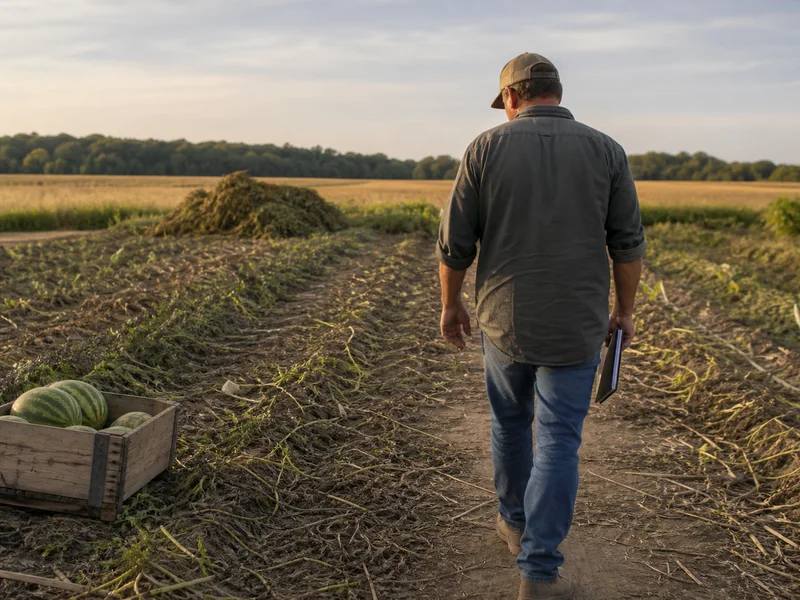
Before You Put Watermelons Back in the Same Ground, Walk the Old Bed
A practical field-handoff routine for reading a watermelon bed after harvest and carrying its useful observations into the next crop decision.
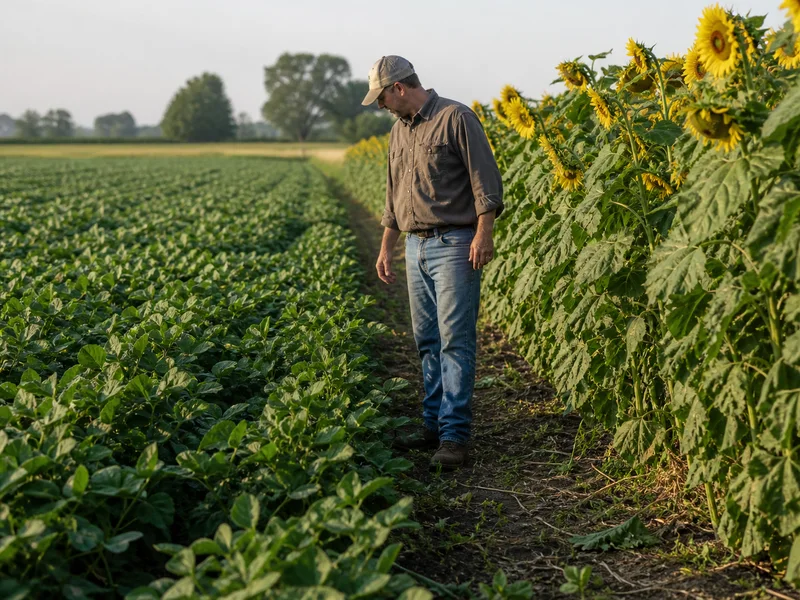
Can Sunflowers and Soybeans Share a Field Without One Becoming a Boundary Problem?
A field-layout guide for sunflower and soybean intercropping that focuses on the crop boundary, access, and what needs to stay visible as both crops…
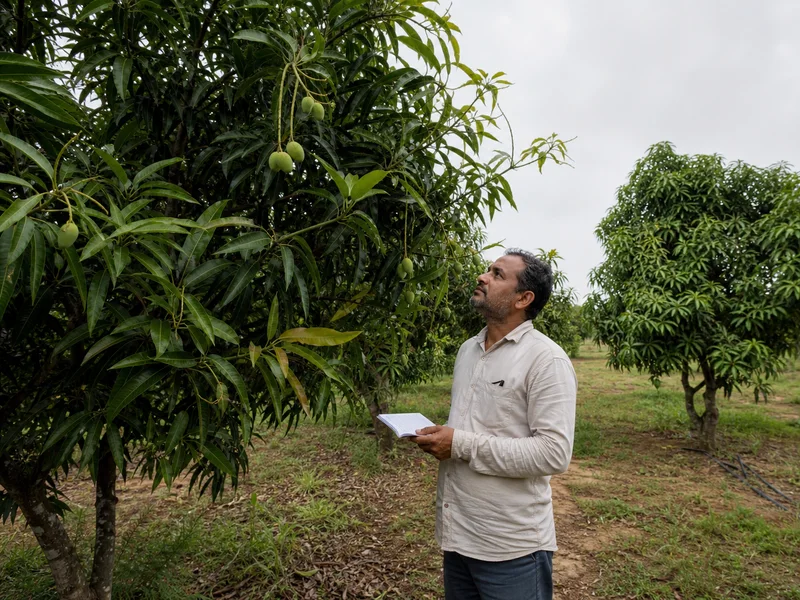
Mango Orchard Notes Work Best When They Follow the Tree, Not the Calendar
A practical way to keep mango orchard notes tied to individual trees, visible changes, and the next question worth checking.
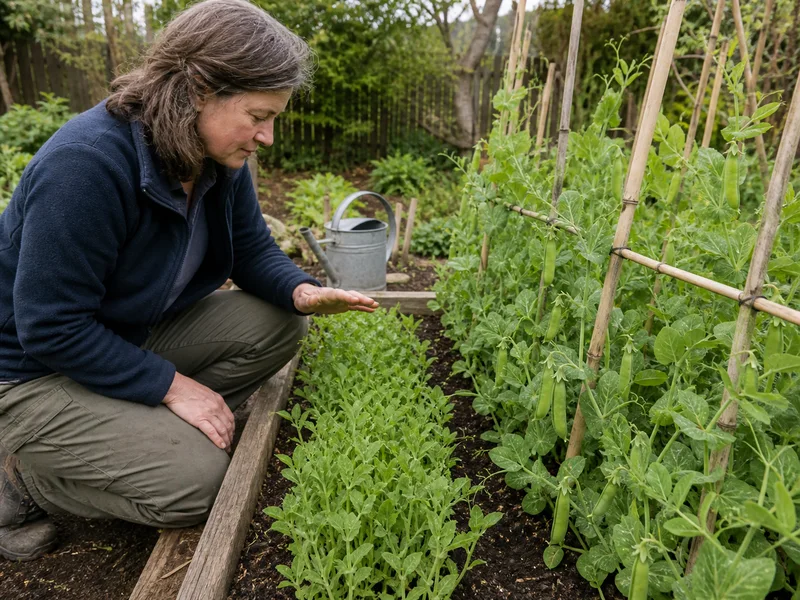
Peas for Shoots or Pods? Make the Choice Before the Bed Fills In
A simple way to plan peas for tender shoots or pods before spacing, support, and the first harvest pull the bed in different directions.
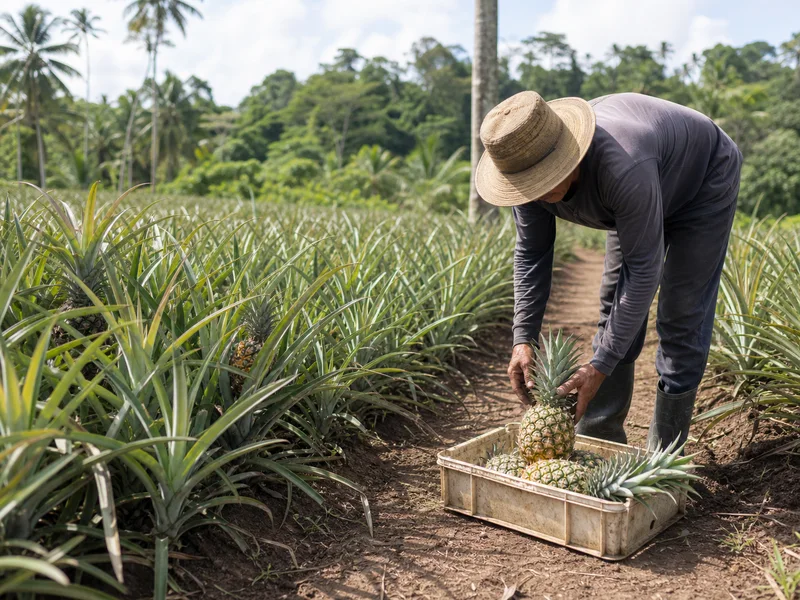
Pineapple Picking Starts With a Place to Put Each Fruit
Build a clearer pineapple harvest handoff with shallow crates, a ready shade point, and simple fruit groups that stay easy to move.
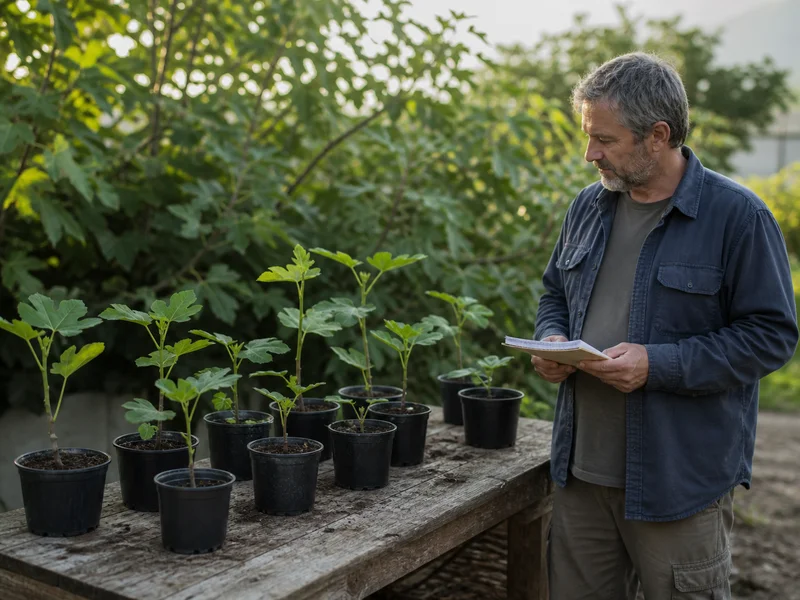
A Fig Cutting Bench Tells You More Than a Single New Leaf
Use a shared bench and a simple return note to observe young fig cuttings without treating one new leaf as the whole story.
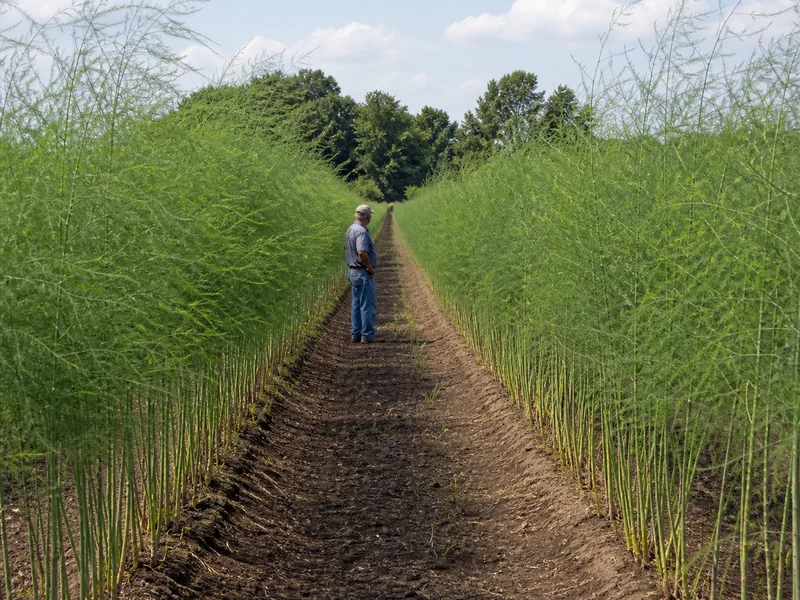
When Asparagus Turns Ferny, the Bed Needs a Different Kind of Walk
A field-walk routine for reading mature asparagus fern rows after the bed shifts from spear production to leafy growth.
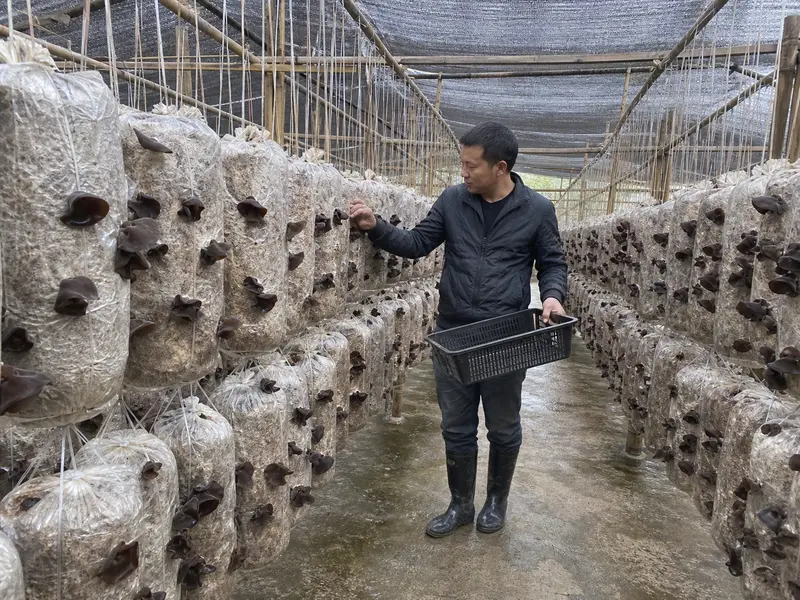
A Clear Aisle Changes How You Harvest Wood Ear Mushrooms
A practical harvest-walk routine for reading bag rows, stopping points, and working access in a wood ear mushroom house.
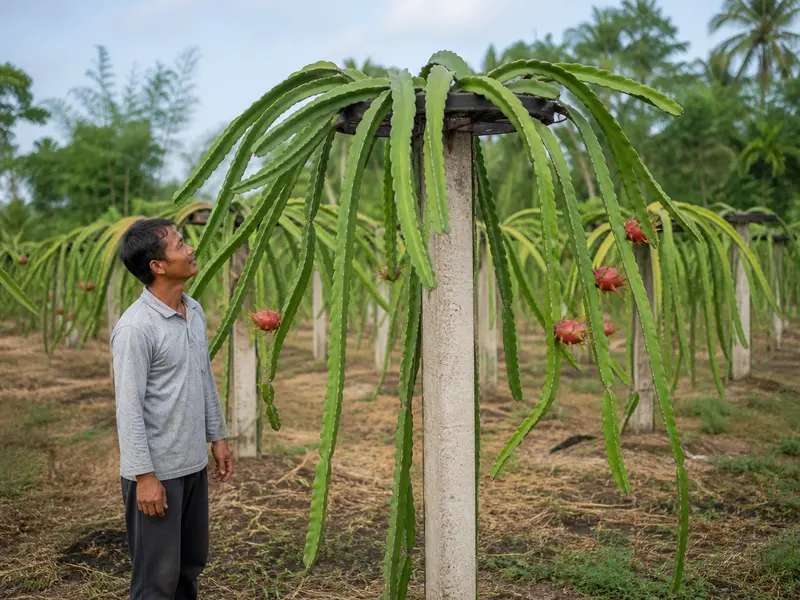
A Dragon Fruit Post Works Better When Its Crown Stays Easy to Read
A practical orchard-walk routine for reading the support, branch layers, and fruiting space on a dragon fruit post.
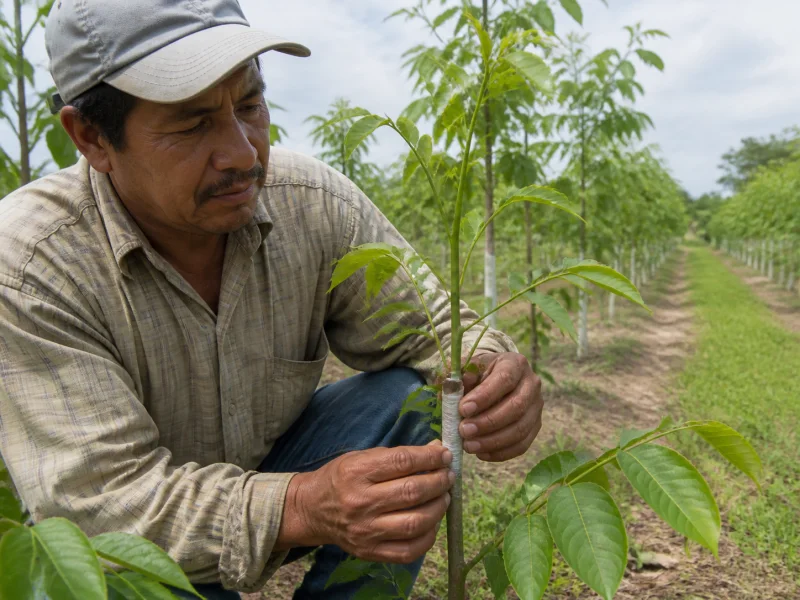
A Young Walnut Graft Needs a Quiet Check Before It Needs Direction
A field observation routine for young walnut grafts that reads the union, support, and new shoot together.
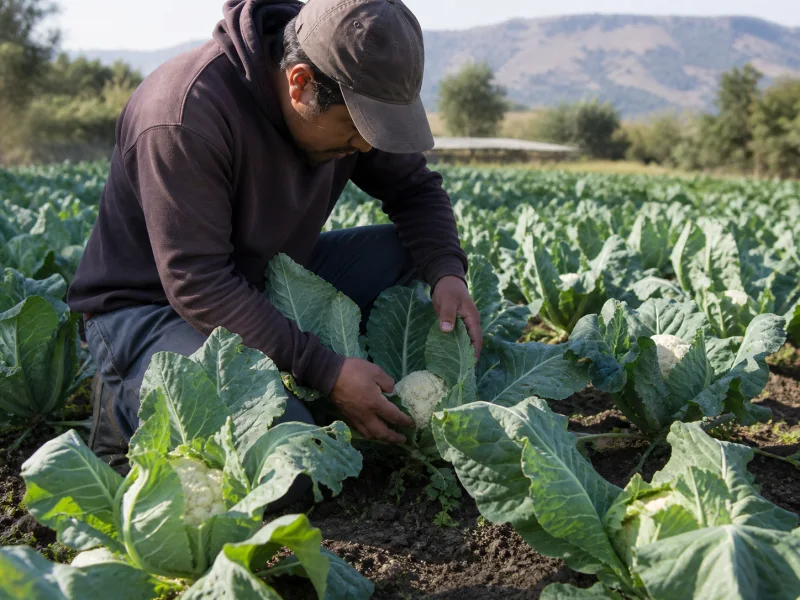
A Cauliflower Curd Needs a Clear Leaf Window, Not Constant Handling
A calm field routine for looking at a developing cauliflower curd through its outer leaves before deciding whether anything needs to change.
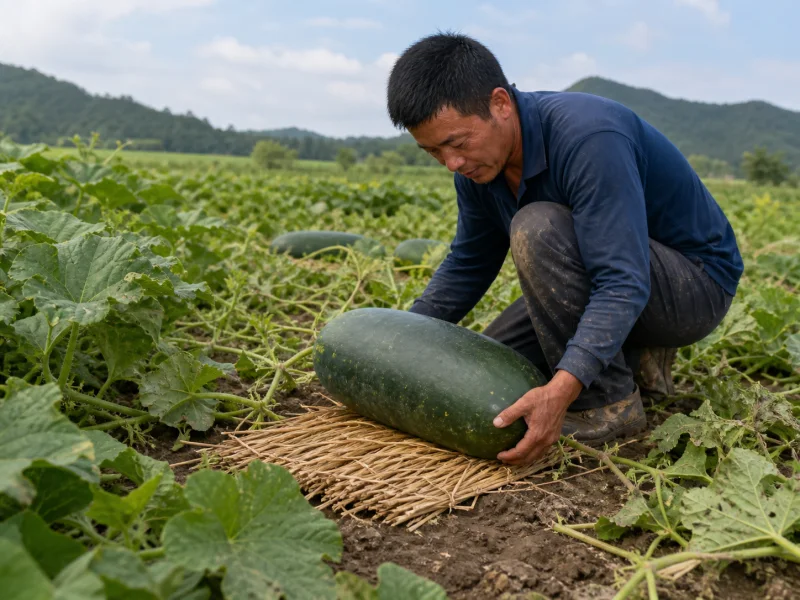
A Ground-Grown Winter Melon Needs Its Own Resting Place
For winter melons grown on the ground, a simple clean resting place keeps each fruit easier to inspect without repeatedly moving it through the vines.
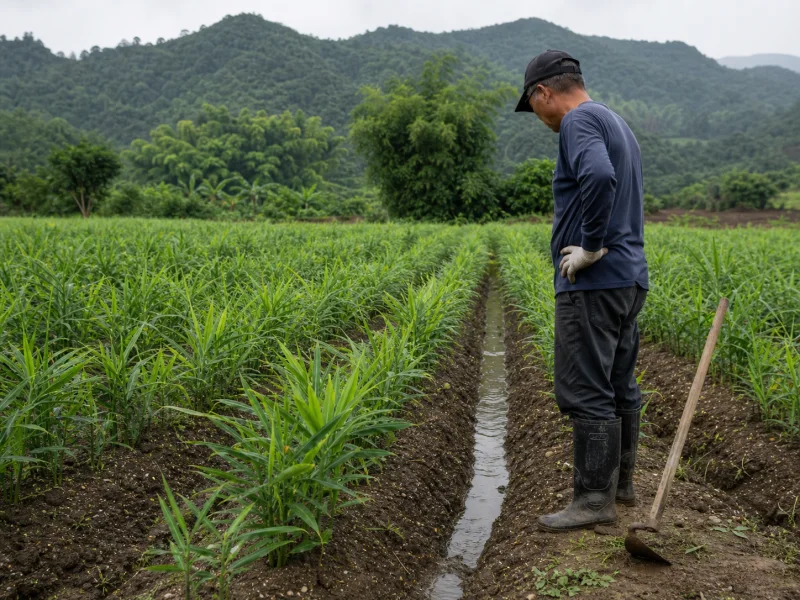
After Rain, a Ginger Bed Needs a Furrow You Can Read
A practical post-rain check for ginger rows that begins with the furrow, the ridge edge, and the condition of the mulch before any work begins.
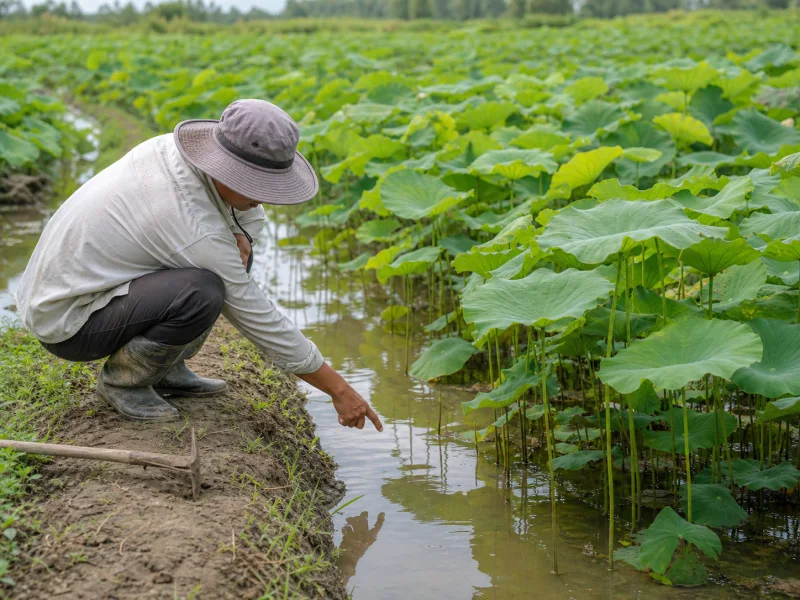
A Lotus Root Bed Is Easier to Manage When the Water Surface Stays Readable
A bank-side observation routine for lotus root beds that reads the water surface, leaf pattern, and field edges before changing anything below the le…
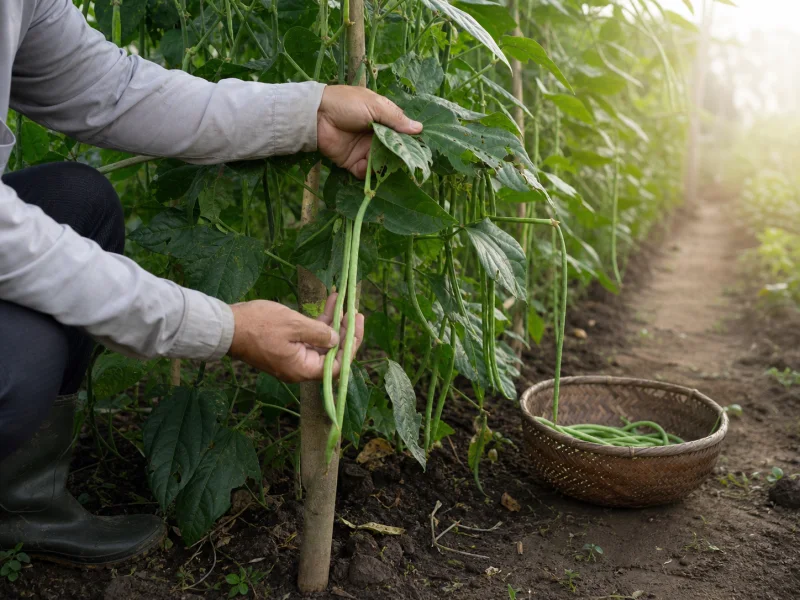
Yardlong Beans Need a Lower Canopy You Can Actually See Into
A practical way to keep the lower pod zone of a yardlong bean row visible, so tender pods, new flowers, and the picking path do not disappear behind…
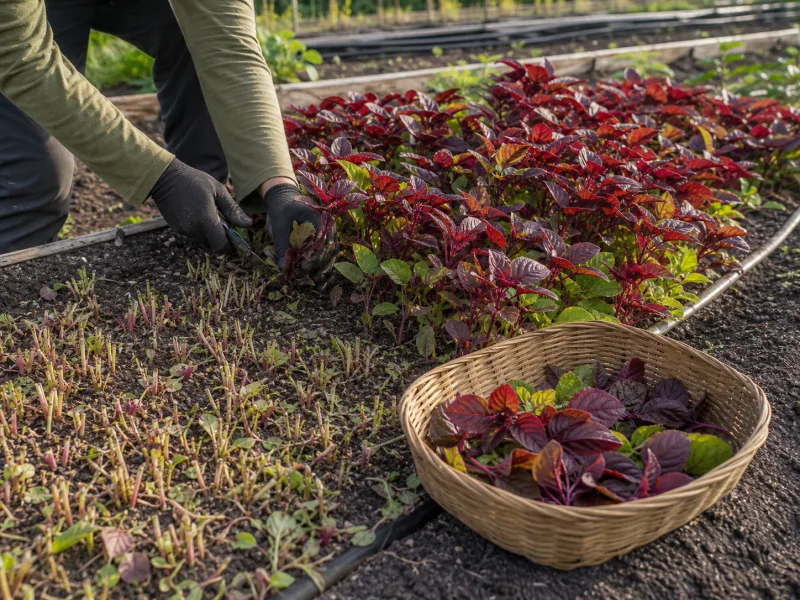
Red Amaranth Does Not Have to Leave the Bed All at Once
A practical way to harvest red amaranth in passes, using leaf size, crowding, and the remaining bed as a guide instead of taking every plant at once.
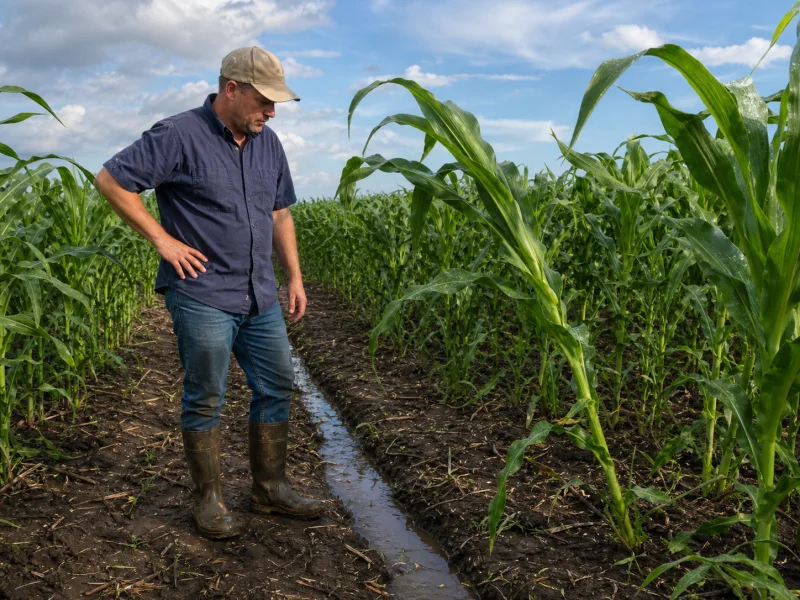
What a Corn Field Looks Like the Day After Heavy Rain
A post-rain corn field walk that separates standing water, soft rows, leaning plants, and normal recovery before a single wet corner becomes the stor…
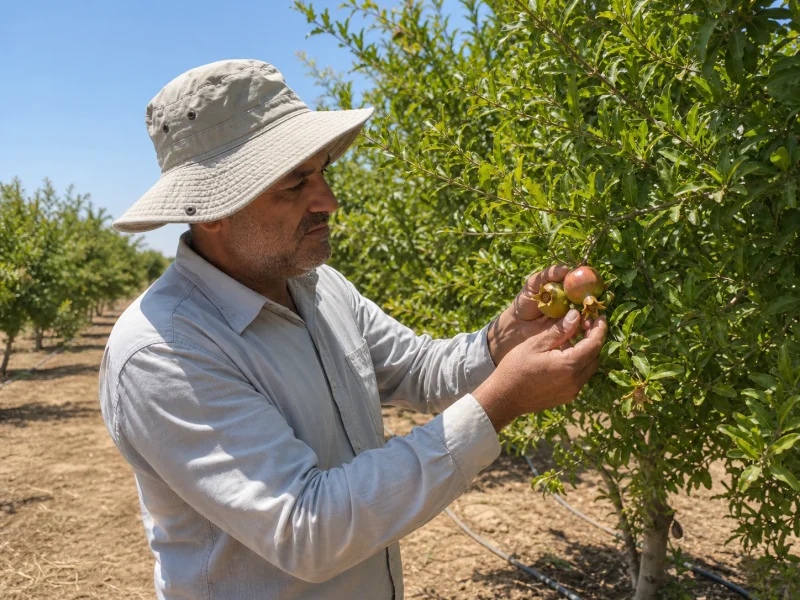
In Early Summer, a Pomegranate Orchard Needs a Lighter Hand
A practical orchard walk for the weeks after pomegranate fruit set: read fruit clusters, canopy space, ground moisture, and tree-to-tree differences…
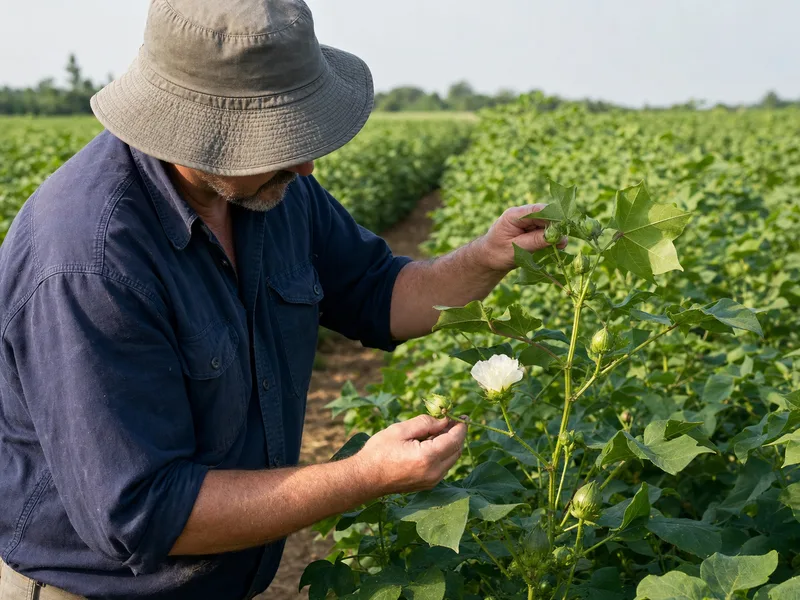
Cotton’s First Flowers Make the Fruiting Branches Easier to Read
A first-flower field routine for reading cotton fruiting branches, buds, open flowers, and zone differences before treating the crop as one uniform s…
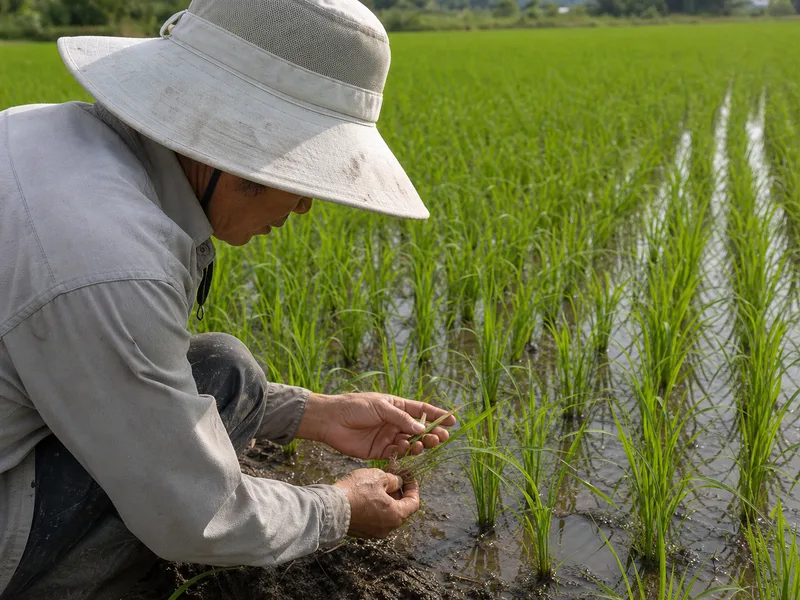
Rice Tillers Tell You More When You Walk More Than One Part of the Field
A practical early-tillering field walk for comparing rice zones, reading plant bases and shallow water, and responding to patterns instead of one str…
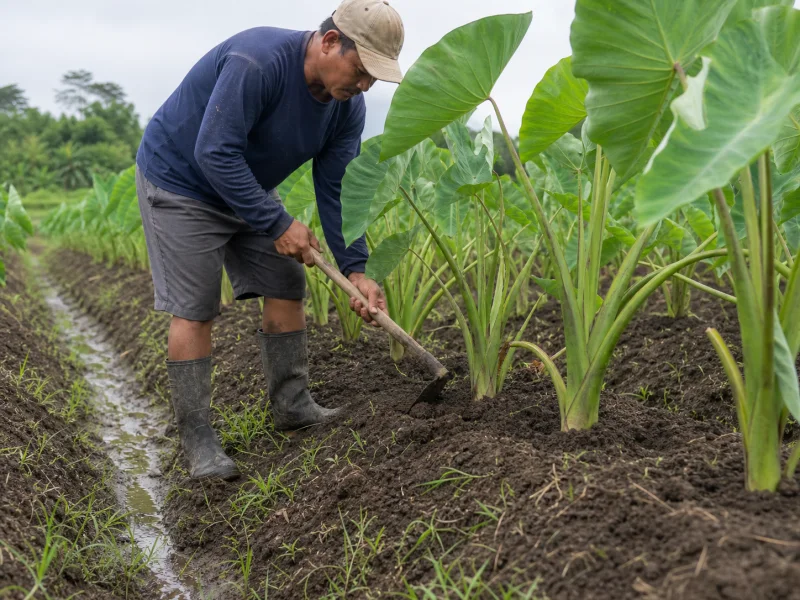
Taro Ridges Need Space for Both Corms and Water to Move
A mid-season field routine for checking taro ridges, drawing loose soil toward the plant base, and keeping the furrow readable after rain or irrigati…
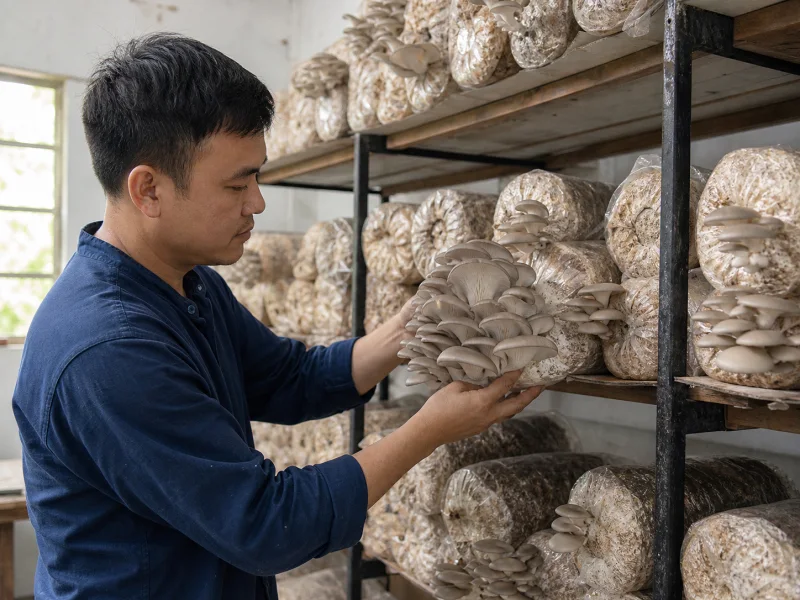
Oyster Mushrooms Are Easiest to Harvest When the Cluster Is Still Holding Together
A practical harvest-window routine for reading oyster mushroom clusters, lifting them cleanly, and resetting the growing surface for the next flush.
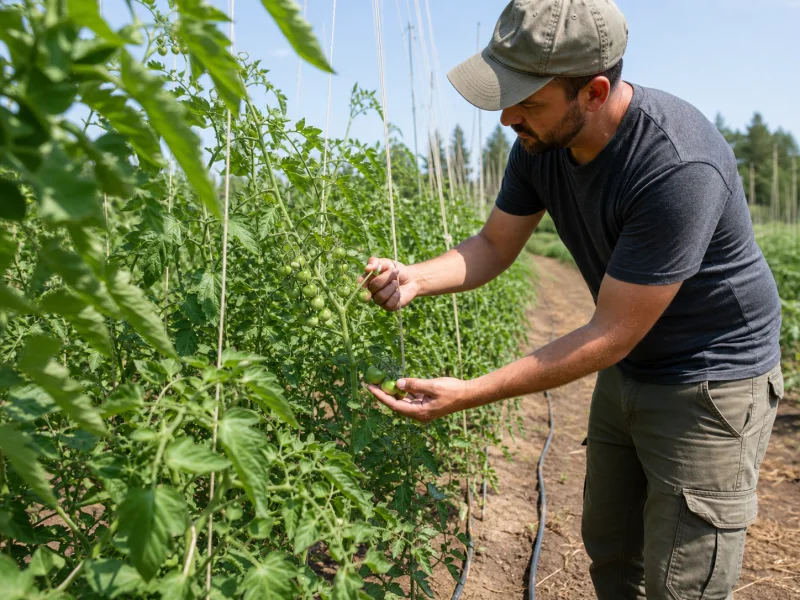
When the First Cherry Tomato Truss Sets, Make Room to Watch It
A practical first-truss walkthrough for supporting cherry tomato plants, protecting the fruit cluster, and keeping the lower plant area readable.
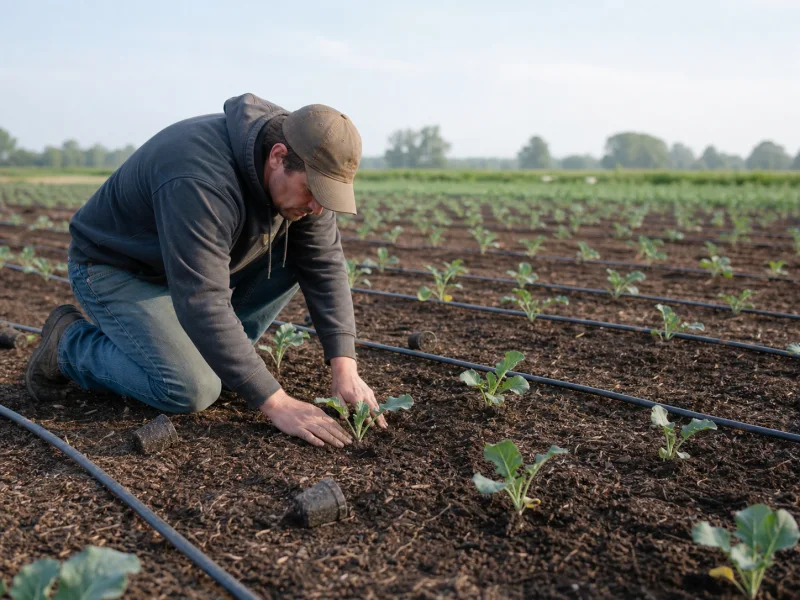
A Broccoli Transplant Should Settle Before It Starts Growing
A first-week field routine for helping broccoli transplants establish stable root-zone contact, even moisture, and a row that is easy to inspect.
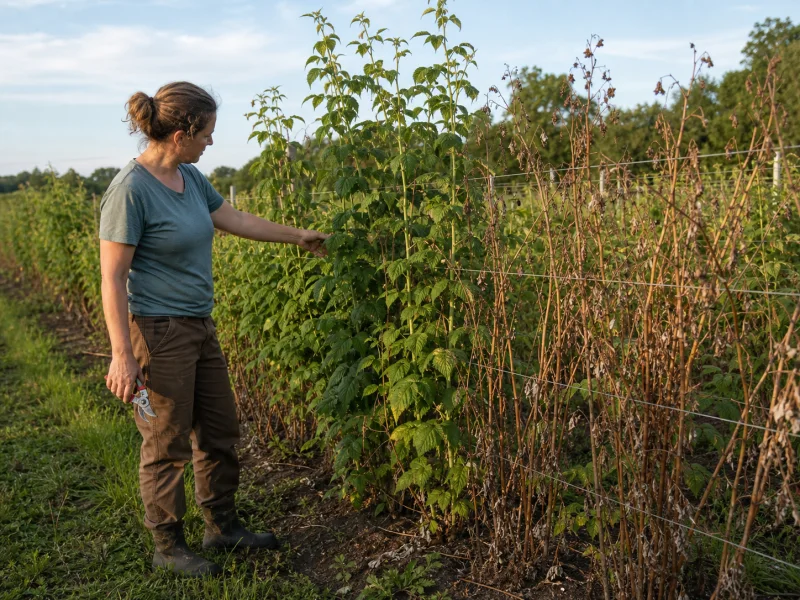
After Raspberry Harvest, Start by Sorting the Canes
A practical post-harvest walkthrough for telling spent raspberry canes from the green canes that will carry the next season’s structure.
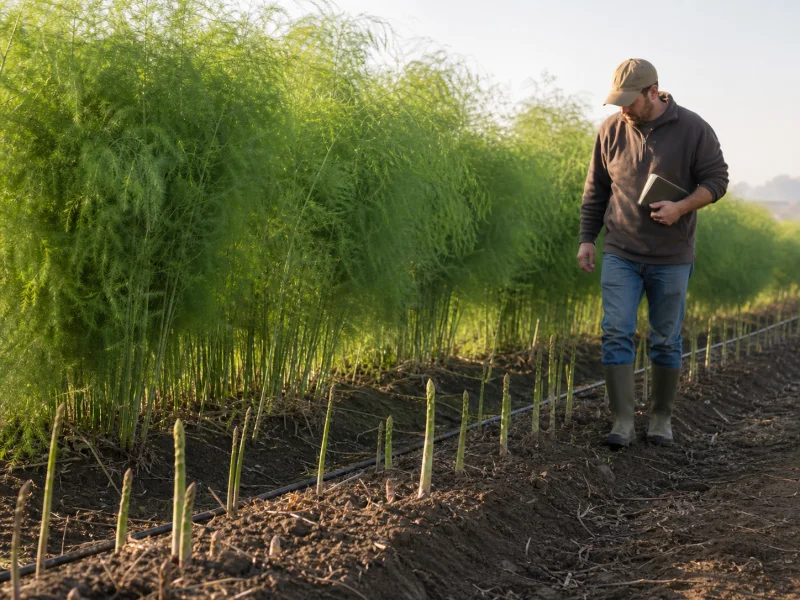
The Asparagus Harvest Is Over When the Ferns Need Their Turn
A practical way to shift an established asparagus bed from cutting spears to building fern growth, crown reserves, and next season’s strength.
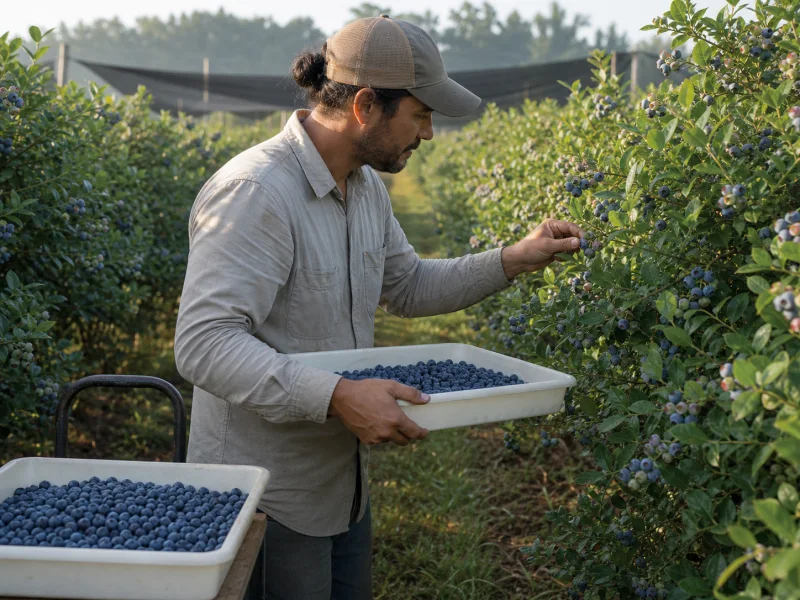
Picking Blueberries Without Letting the Morning’s Work Sit in the Sun
A field workflow for selecting ripe blueberries, using shallow containers, and moving each small harvest out of direct sun before quality slips.
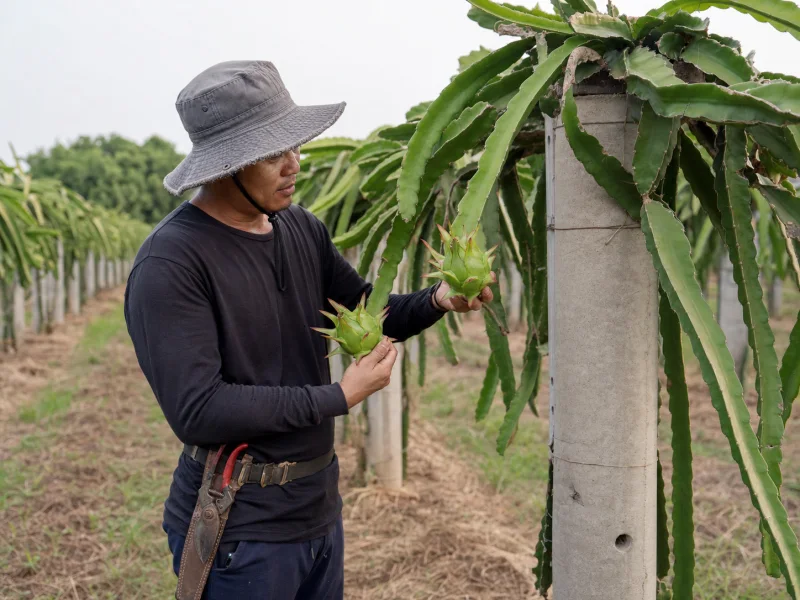
Dragon Fruit Rows Stay Productive When the Fruiting Zone Is Easy to Read
A practical field routine for checking young dragon fruit, separating support growth from crowded tips, and keeping the fruiting zone reachable.
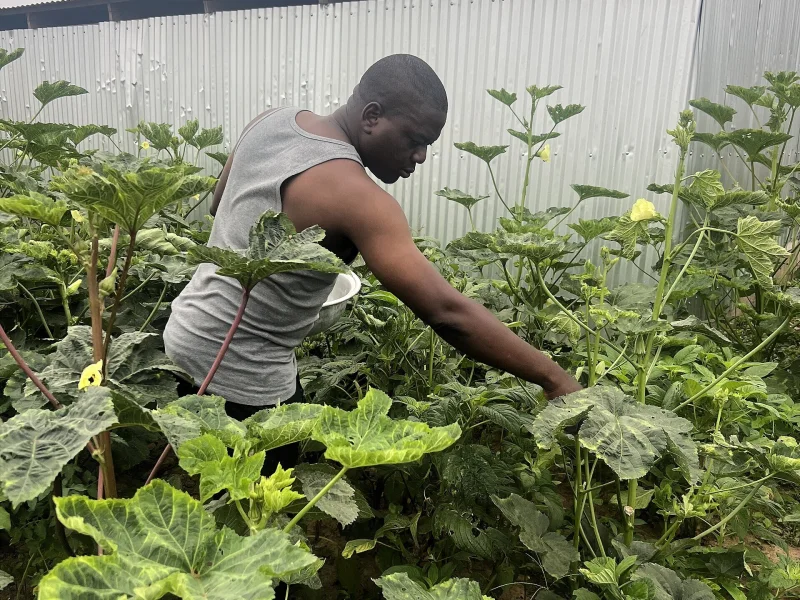
Okra Picking Gets Easier When Tender Pods Stay in View
A practical harvest routine for spotting tender okra pods, keeping the row reachable, and using each pick as a quick plant check.
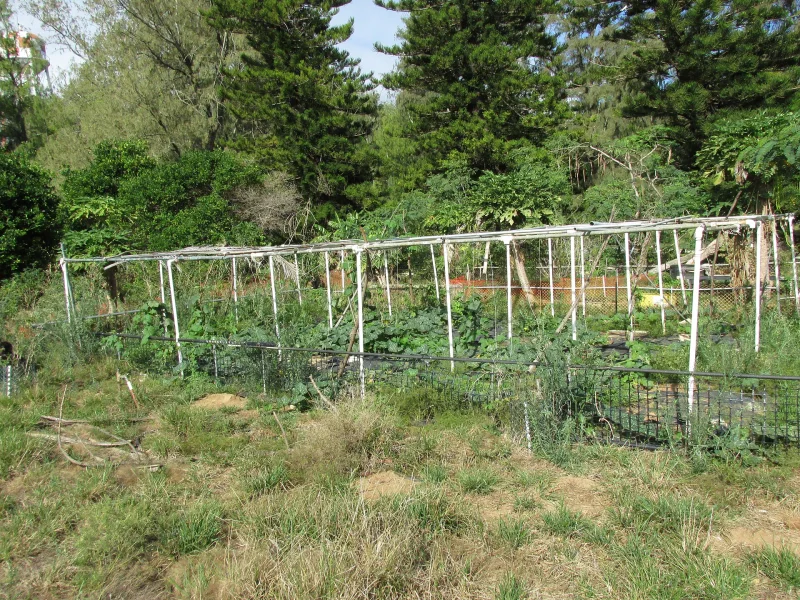
Luffa Trellises Need Enough Strength for Vines, Fruit, and Daily Picking
A field guide to luffa trellis strength, vine direction, side-shoot choices, fruit visibility, and frequent harvests.
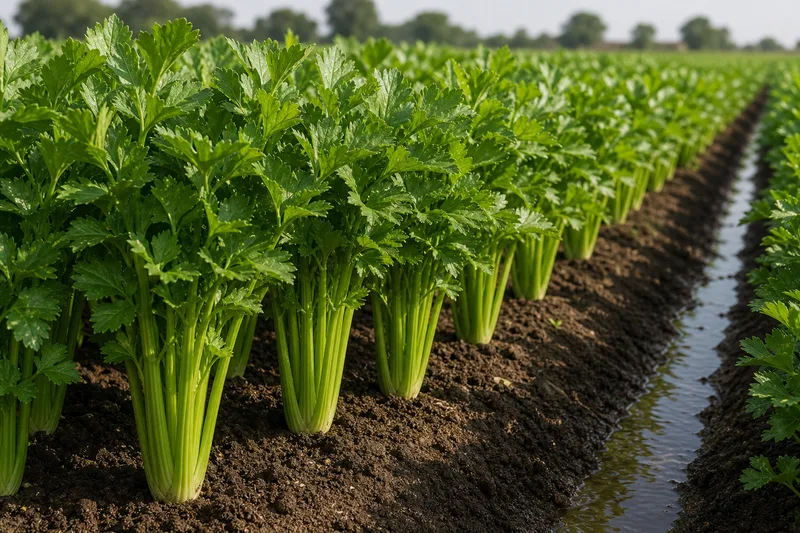
Celery Stalk Quality Starts With Uniform Seedlings and Root-Zone Calm
A celery guide for seedling development, spacing, moisture consistency, stalk quality, and harvest handling.
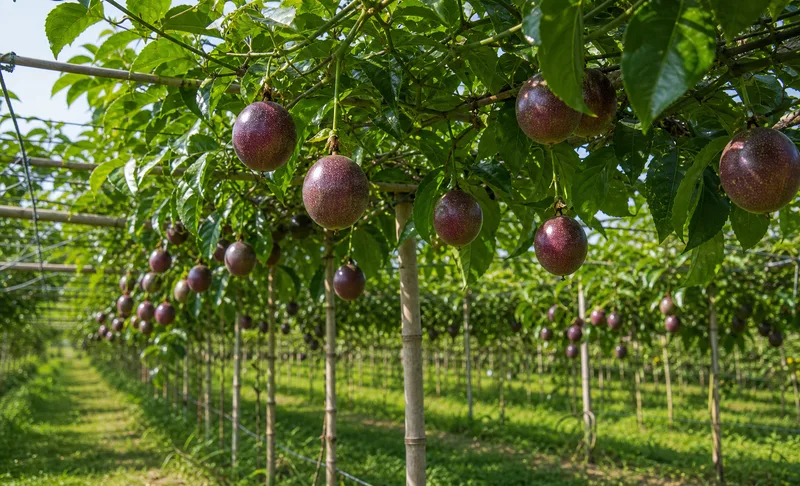
Passion Fruit Trellises Need a Canopy That Can Still Be Inspected
A passion fruit guide for trellis structure, canopy spacing, pollination observation, and harvest access.
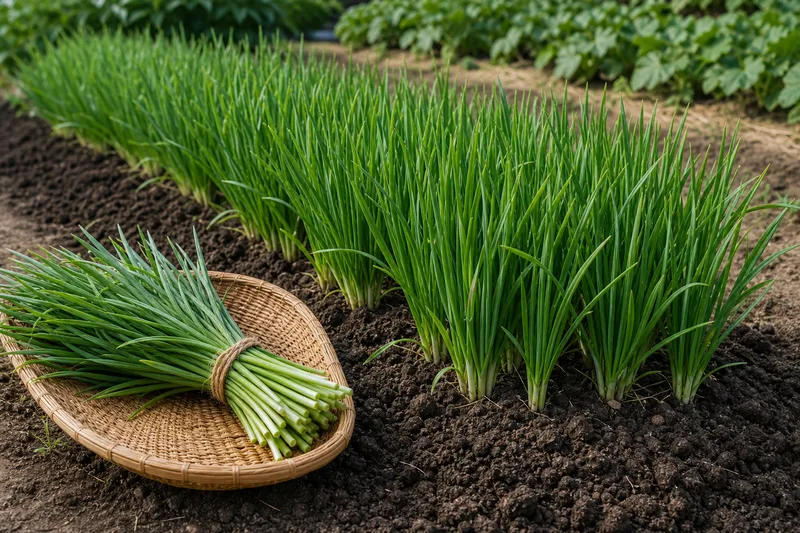
Garlic Chives Recover Best When Each Cut Leaves a Strong Crown
A garlic chives guide for crown condition, cutting height, regrowth, seasonal rest, and clean harvests.
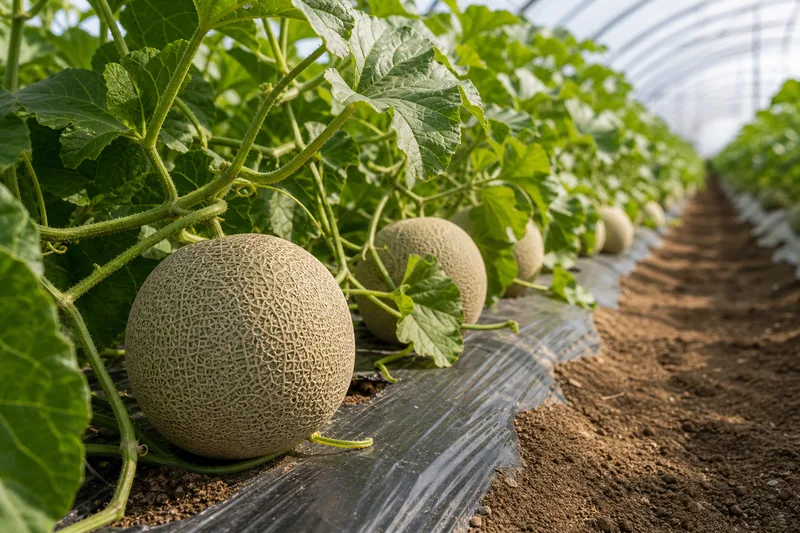
Melon Flavor Is a Field Decision Made Before Harvest Day
A melon guide for vine spacing, fruit selection, root-zone stability, and maturity testing.
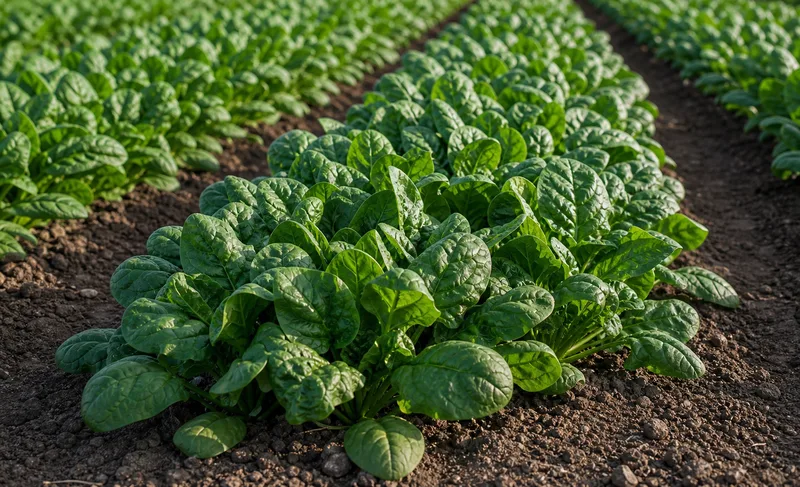
Spinach Quality Depends on a Short, Well-Timed Crop
A spinach guide for seedbed preparation, batch sowing, warm-weather management, and leaf-quality harvest.
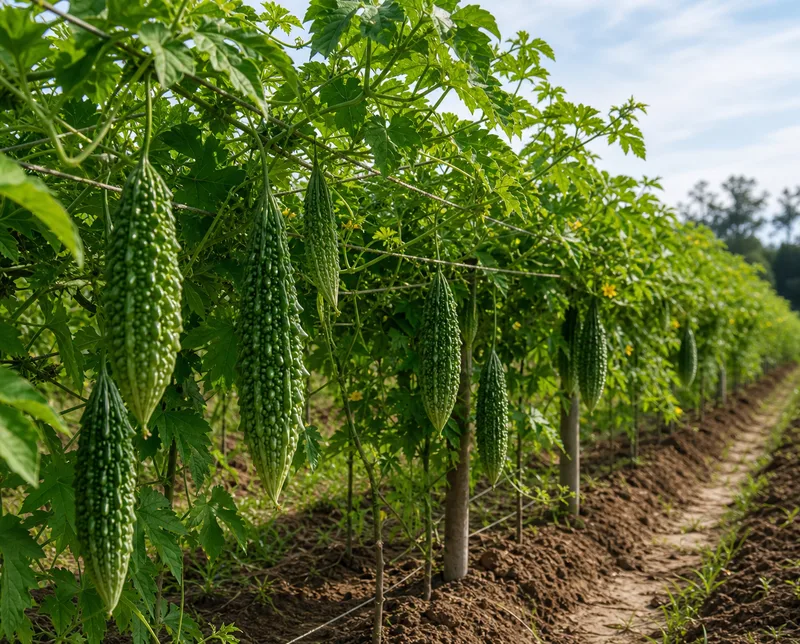
Bitter Melon Trellises Need Space for Flowers, Fruit, and Daily Harvest
A bitter melon guide for trellis setup, vine airflow, fruit set, and frequent harvest access.
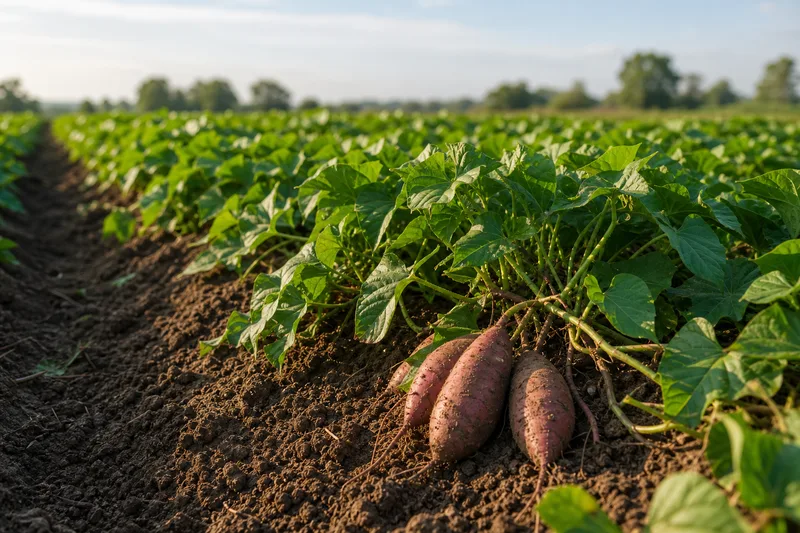
Sweet Potato Vines Can Be Heavy While Roots Are Still Underperforming
A sweet potato guide for slip establishment, root-zone condition, bulking observations, harvest, and curing.
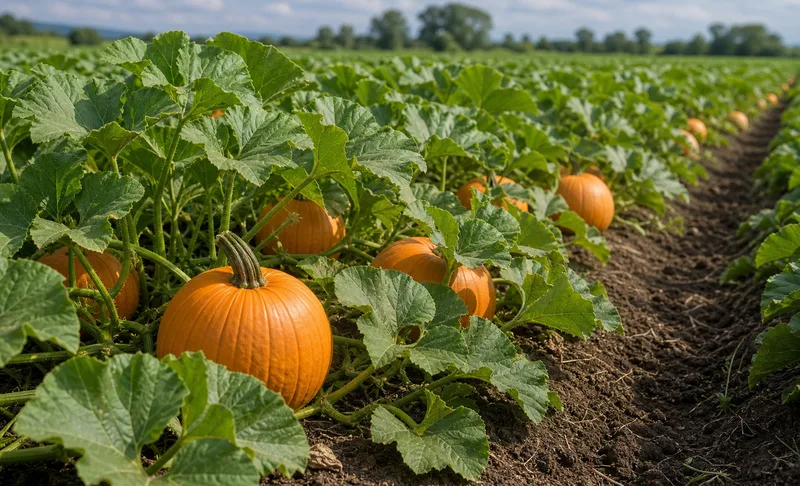
Pumpkin Vines Need Fruit Positions That Stay Dry and Inspectable
A pumpkin guide for spacing, vine direction, fruit set, drainage, and mature-fruit harvest checks.
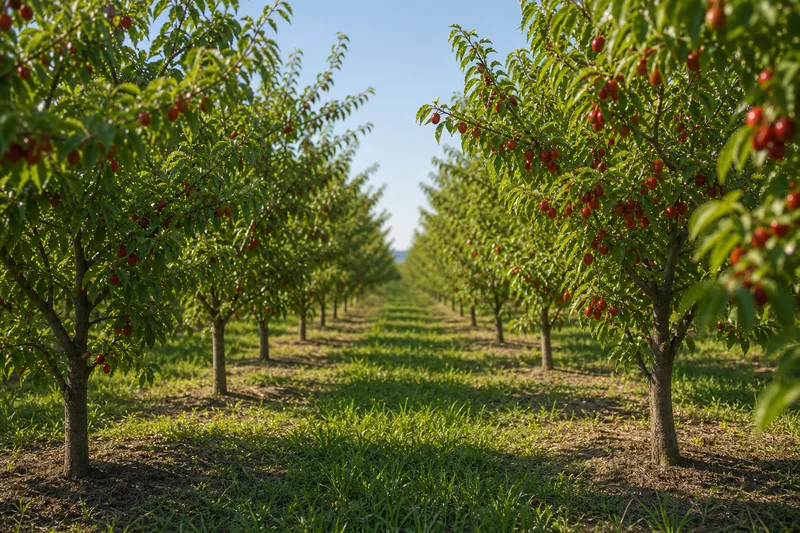
Jujube Trees Stay Productive When Height and Row Pressure Are Controlled Early
A jujube guide for orchard layout, shoot management, crop access, and picking organization.
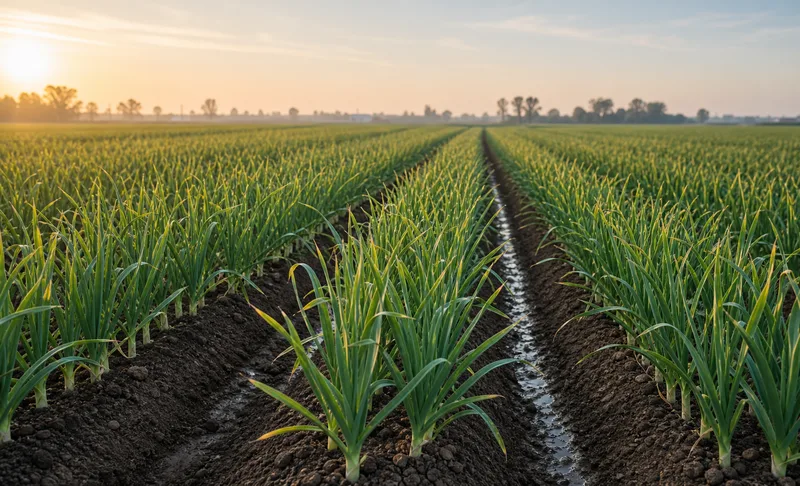
Garlic Uniformity Begins With Even Cloves and a Workable Bed
A garlic guide for clove sorting, planting depth, root-zone condition, curing, and storage readiness.
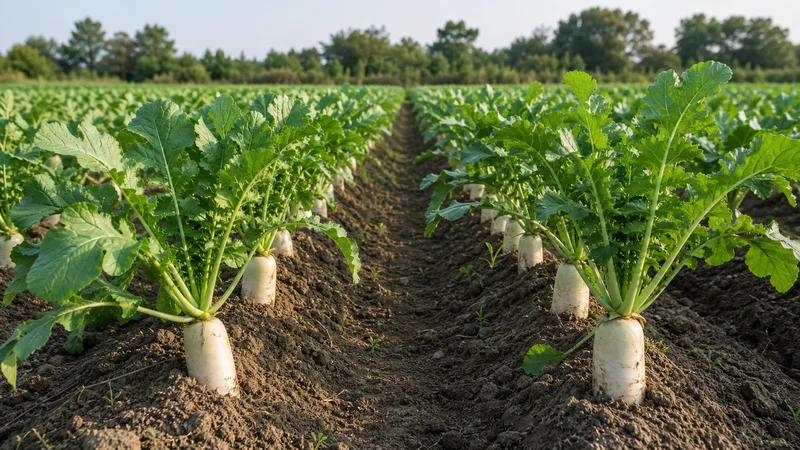
Radish Roots Stay Cleaner When Sowing and Thinning Are Staggered
A radish guide for seedbed texture, small batch sowing, root spacing, and harvest timing.
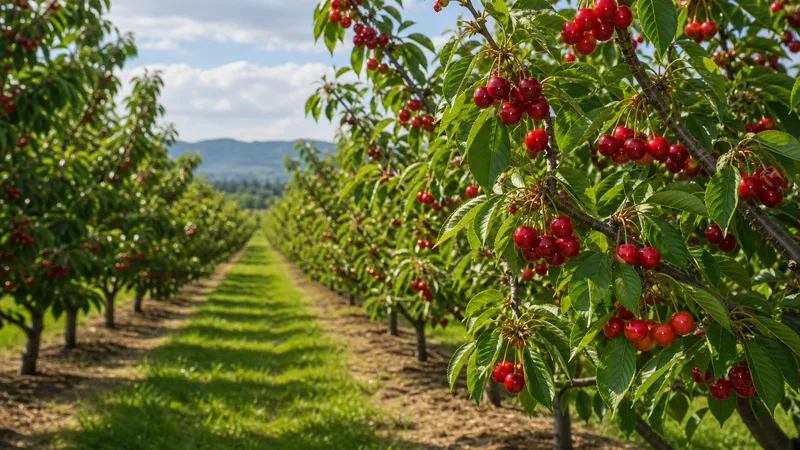
Cherry Harvest Quality Starts With an Orchard You Can Move Through
A cherry guide for drainage, canopy access, crop distribution, and gentle harvest handling.
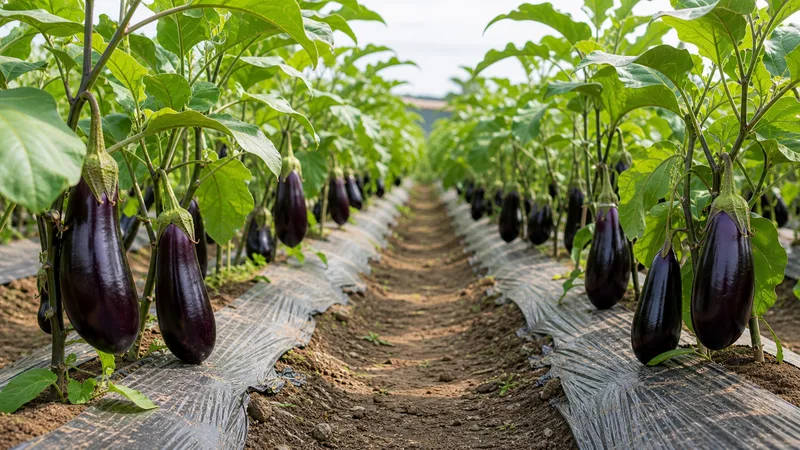
Eggplant Can Keep Producing When Early Fruit Load Does Not Exhaust It
An eggplant guide for transplant recovery, branch framework, fruit load, and repeat harvest quality.
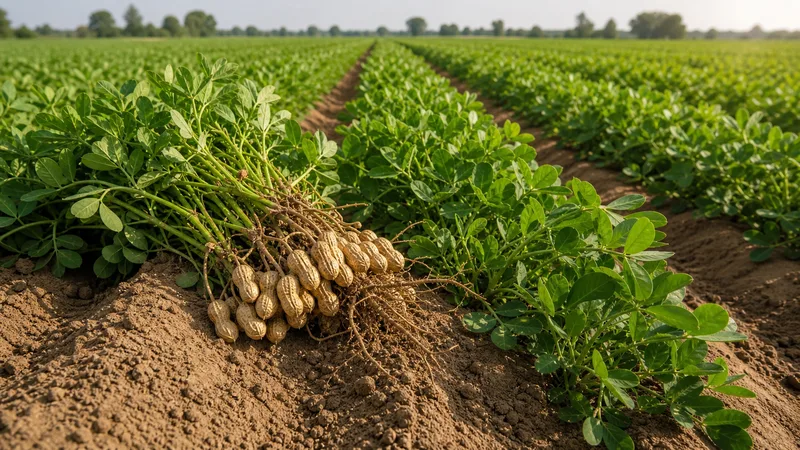
Peanut Pegs Need a Loose, Workable Zone Beneath the Canopy
A peanut guide for stand establishment, pegging-zone condition, water rhythm, and digging timing.
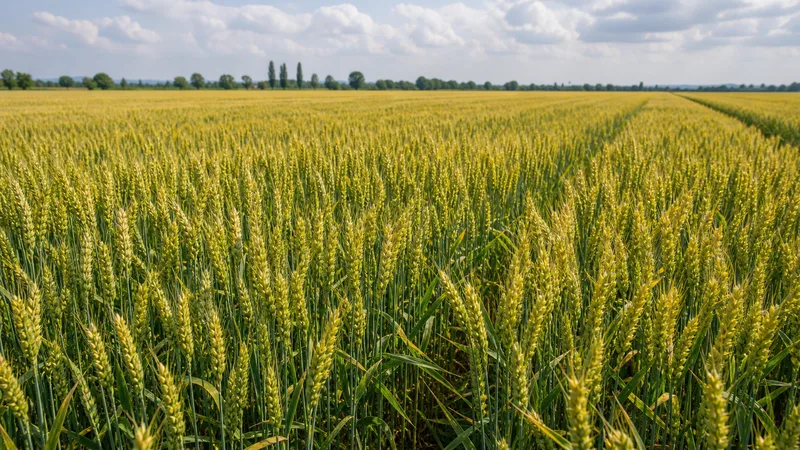
Wheat Field Edges Explain More Than an Average Stand Count
A wheat guide for planting depth, early stand observation, spring recovery, and grain-fill preparation.
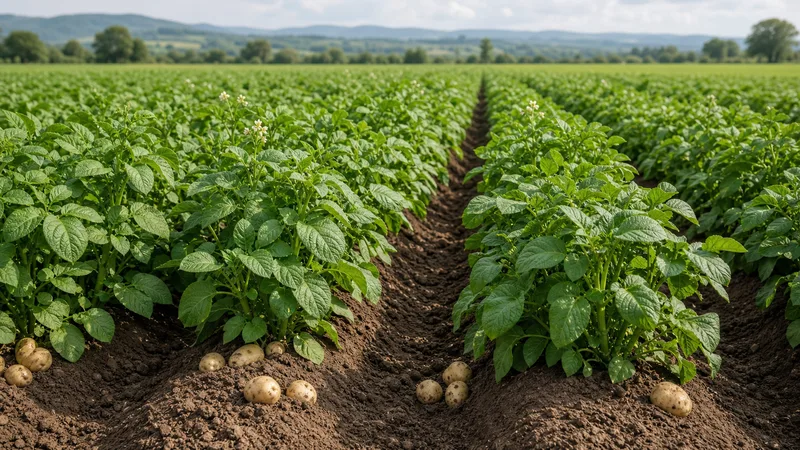
Potato Seed Pieces Need Good Soil Contact Before They Need More Water
A potato guide for seed-piece preparation, emergence, hilling, bulking, and trial-dig harvest decisions.
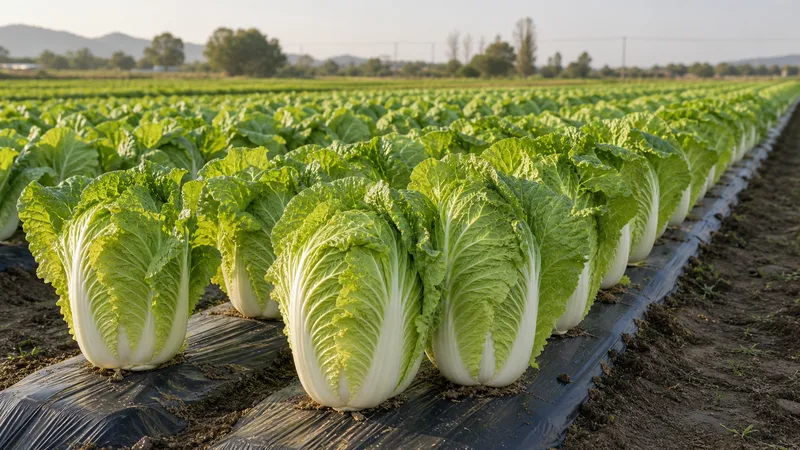
Chinese Cabbage Heads Evenly Only When the Bed Stays Even
A Chinese cabbage guide focused on stand spacing, root-zone moisture, head formation, and cooling after harvest.
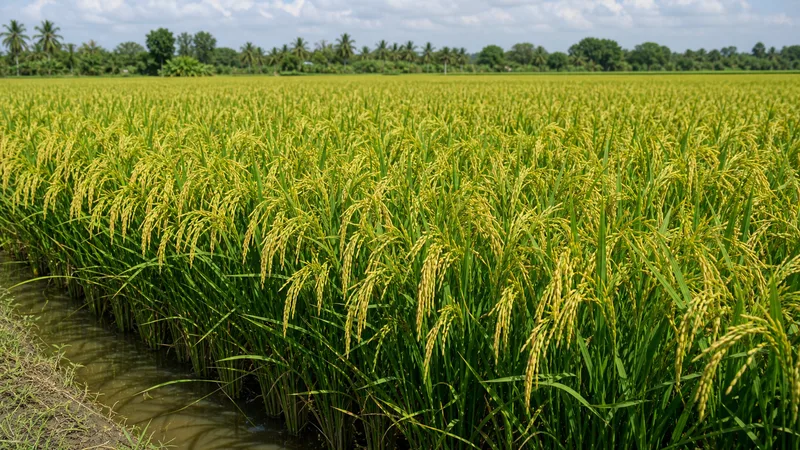
Rice Field Leveling Makes Every Later Water Decision Easier
A rice guide for field leveling, seedling establishment, water observation, and harvest preparation.
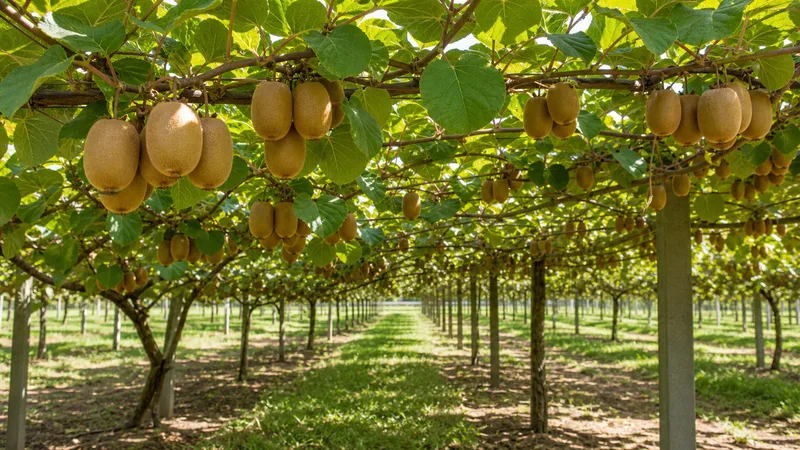
Kiwifruit Vines Need Renewal Canes You Can Find and Train
A kiwifruit guide for framework building, renewal cane selection, canopy spacing, and harvest handling.
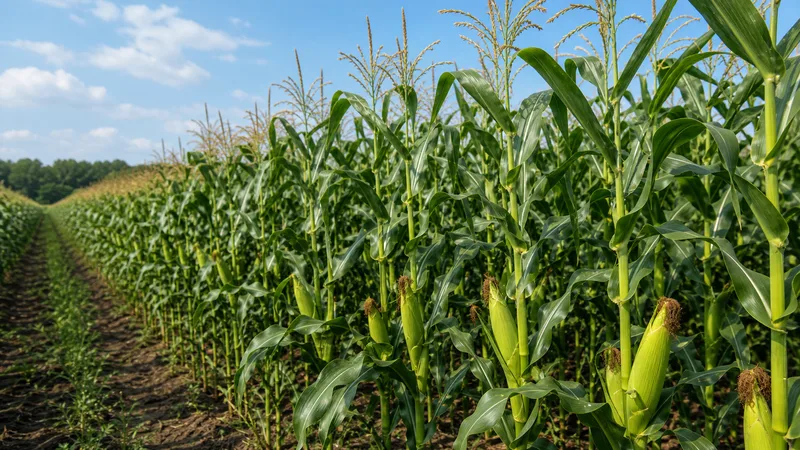
Even Corn Emergence Matters More Than a Few Tall Plants
A corn guide for seed placement, early stand checks, water demand, and harvest readiness.
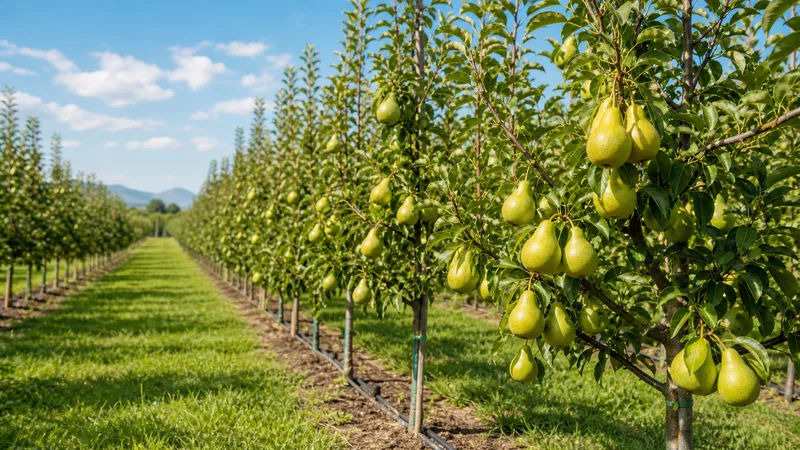
Pear Orchard Spacing Determines How Long Pruning Stays Practical
A pear guide for row design, tree structure, crop load, and orchard-floor management.
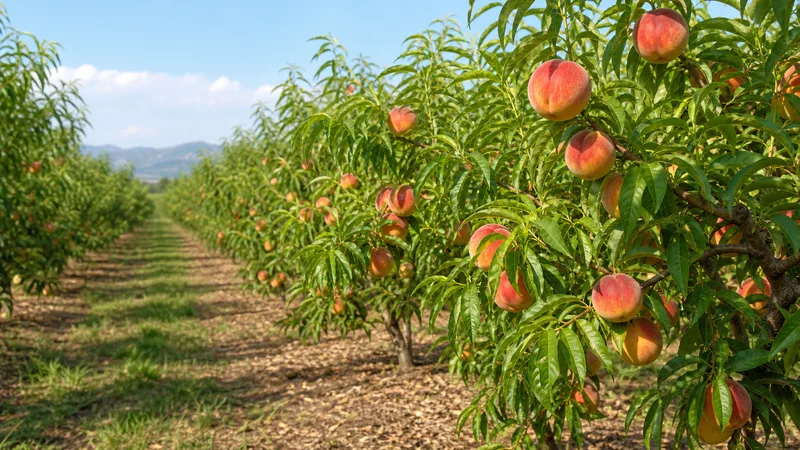
Peach Orchards Need Drainage and Renewal Wood Before a Heavy Crop
A peach guide for orchard drainage, annual fruiting wood, crop distribution, and efficient picking.
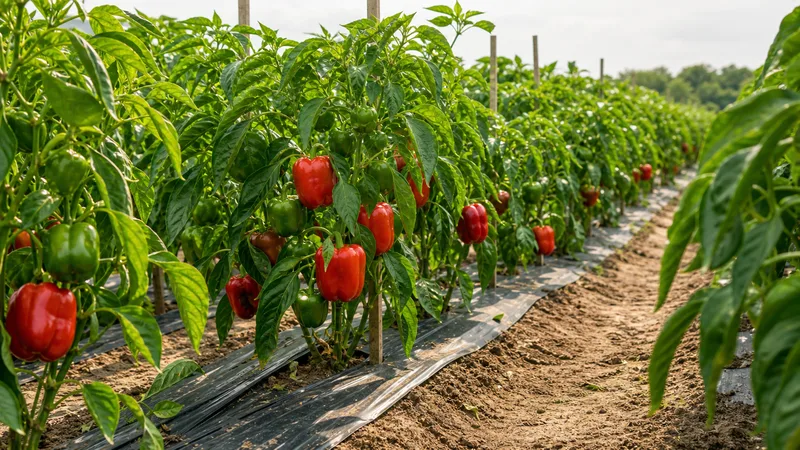
A Tall Pepper Plant Is Not Always a Plant Ready to Carry Fruit
A pepper guide for seedling quality, branch balance, fruit load, and repeat harvests.
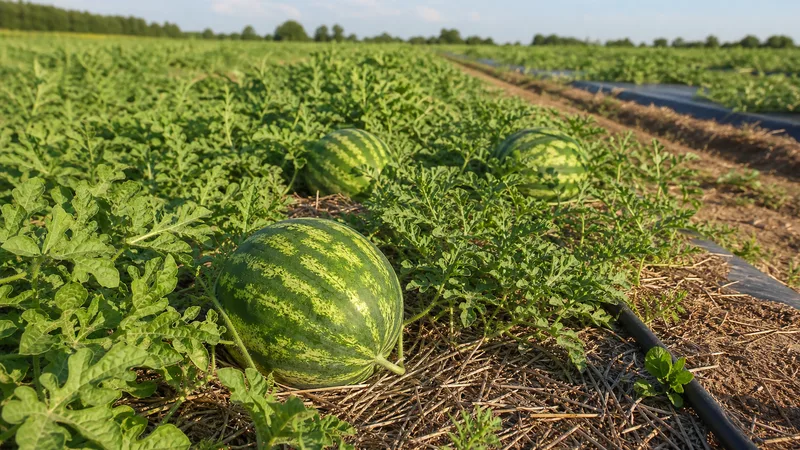
Watermelon Flavor Is Protected by Vine Balance, Not Size Alone
A watermelon guide covering stand spacing, vine observation, fruit set, water changes, and ripeness checks.
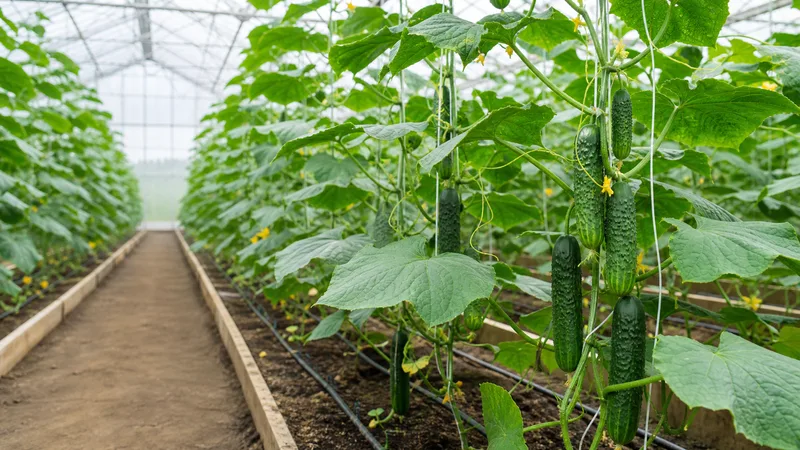
Cucumber Harvest Gaps Often Begin With a Crowded Vine
A cucumber guide for plant establishment, vine training, airflow, and repeated harvest quality.
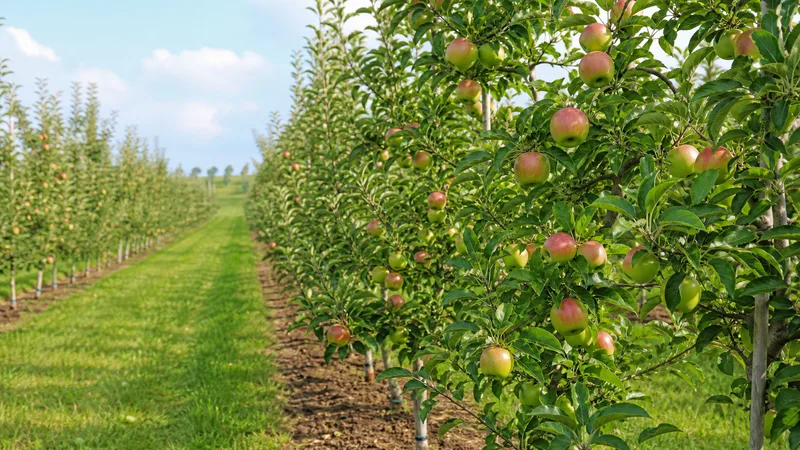
Apple Trees Need a Crop Load You Can Still Pick and Cool Well
A field guide to apple tree shape, fruit distribution, harvest decisions, and rapid postharvest cooling.
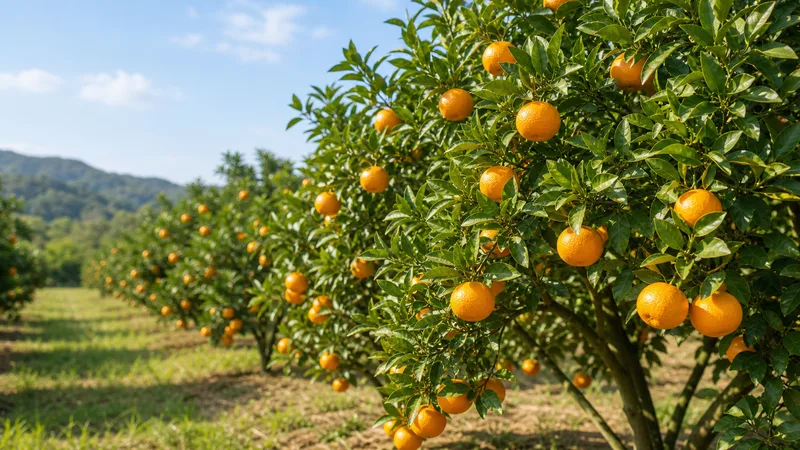
Citrus Canopies Need Light Paths, Not Constant Heavy Pruning
A citrus guide for canopy architecture, orchard floor conditions, crop load, and harvest handling.
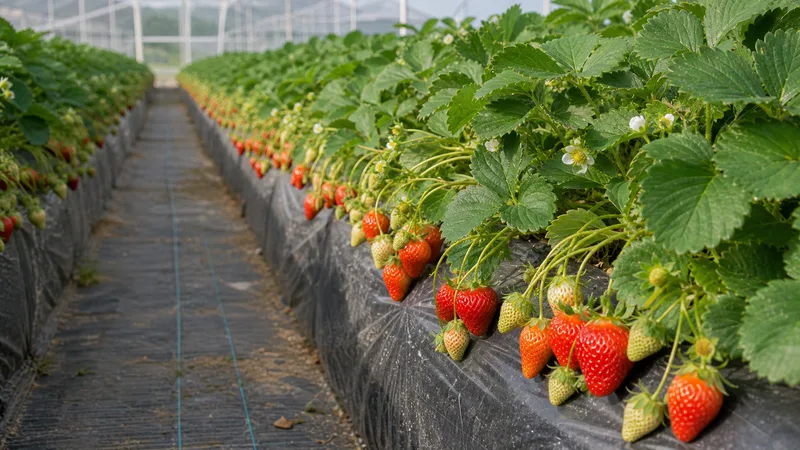
Strawberry Beds Work Best When Crowns and Fruit Stay Off Wet Ground
A strawberry production guide centered on crown placement, clean beds, picking flow, and short-hold quality.
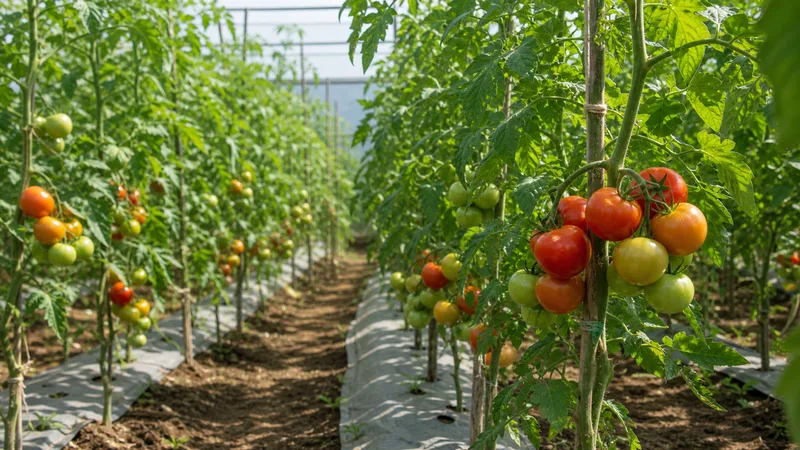
Tomatoes Need a Stable Root Zone Before They Need More Feed
How tomato roots, canopy load, water rhythm, and harvest timing work together in a productive crop.
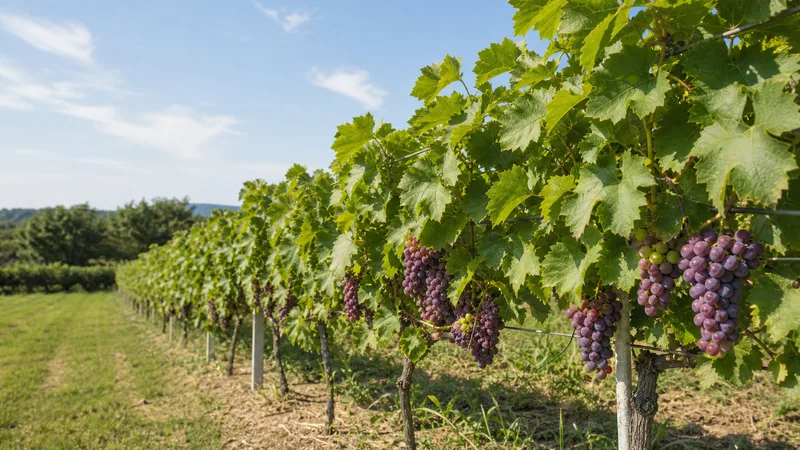
Grape Trellis Decisions That Keep a Productive Canopy Readable
A practical grape guide focused on trellis design, shoot position, crop load, and harvest access.
Bitter Melon Flowers Need Pollination and Vine Balance Before Fruit Set
Bitter melon fruit set improves when female flowers, pollination timing, vine vigor, water rhythm, and early harvest are managed together instead of…
Bitter Melon Trellises Need Airflow Before Fruit Starts Hiding
Bitter melon trellis management should keep harvest paths open, reduce overly dense growth in stages, support airflow, and prevent hidden overmature…
Sweet Potatoes Need Curing Checks Before They Go Into Storage
Sweet potato quality after harvest depends on more than root size. Skin damage, field moisture, gentle curing, sorting, airflow, and cold exposure al…
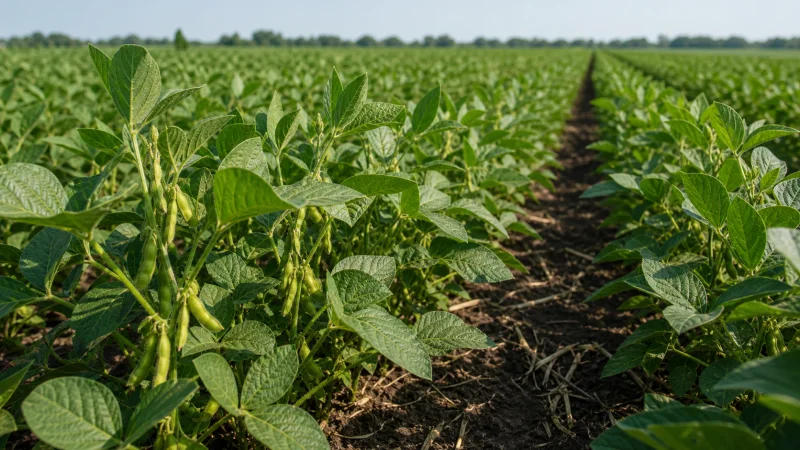
Soybean Pod Set Depends on Water Rhythm and a Canopy That Can Breathe
Soybeans need more than a green canopy during flowering and pod setting. Soil moisture, drainage, weak zones, excessive growth, and lower-canopy airf…
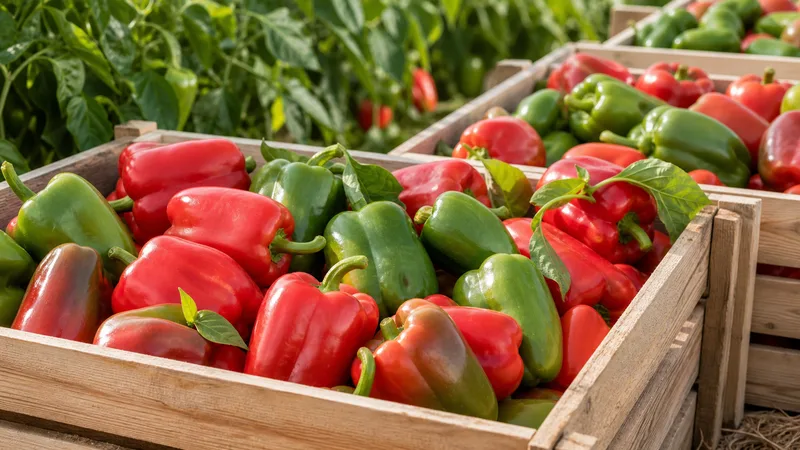
Pepper Plants Need the Next Flush Planned at the First Picking
The first pepper harvest can either free the plant for another flush or leave it tired. Picking weight, branch recovery, moisture rhythm, and new flo…
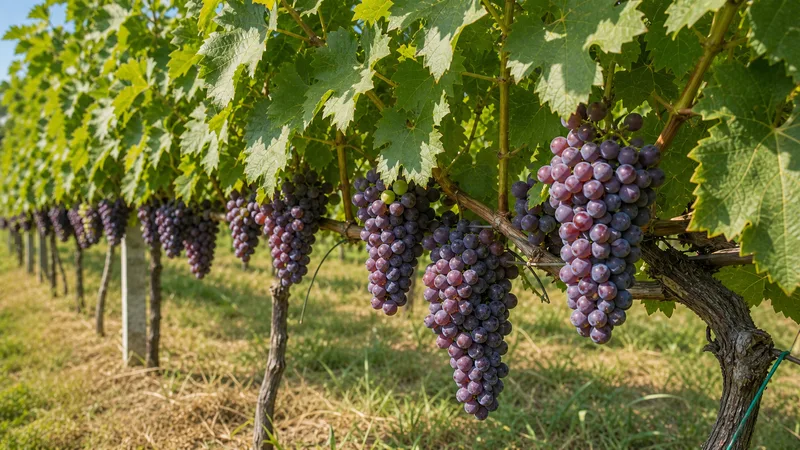
Grape Harvest Should Start With Sampling, Not the Best-Looking Cluster
After veraison, grape harvest timing should be judged by block sampling, berry feel, cluster looseness, canopy position, and picking order instead of…
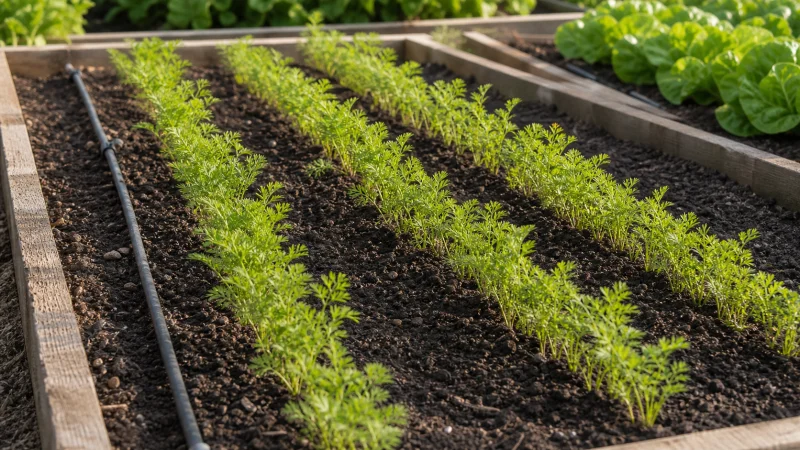
Carrot Rows Need Thinning Before the Tops Hide the Problem
Even carrot emergence is only the start. Once true leaves appear, thinning, row spacing, and surface moisture begin to shape whether roots stay strai…
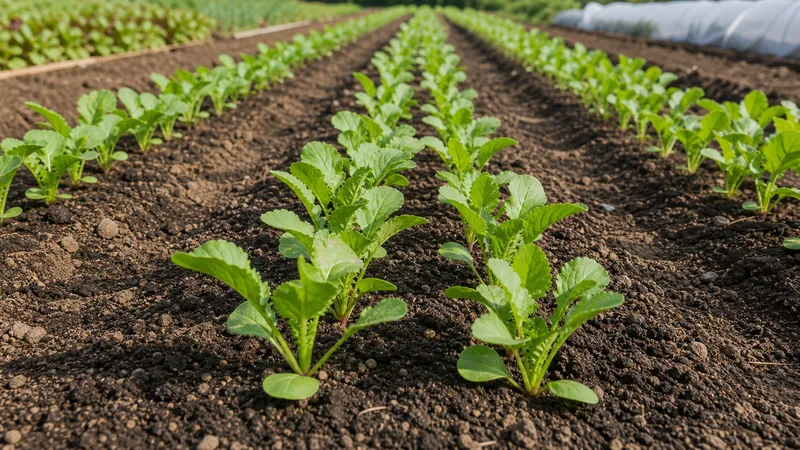
Radish Emergence Comes Before Root Shape in Summer Beds
In warm-season radish sowing, uneven emergence often begins with surface moisture, soil cover, and early thinning. A clean root crop starts when seed…
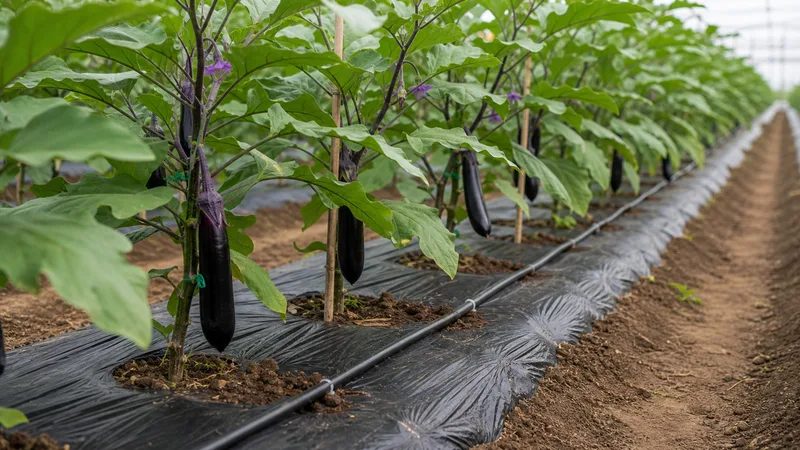
Eggplant Regrowth Works Best After Roots and New Shoots Recover
After an early harvest flush, eggplant plants should not be cut back by height alone. The better decision is based on root moisture, plant strength,…
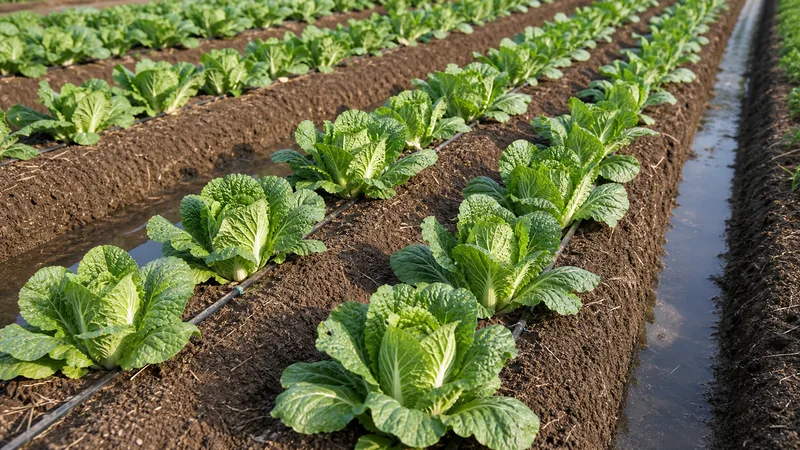
Chinese Cabbage Heads Need Steady Water Before They Tighten
Chinese cabbage heads form more evenly when heading-stage water, wrapper leaves, root-zone drainage, and feeding stay balanced.
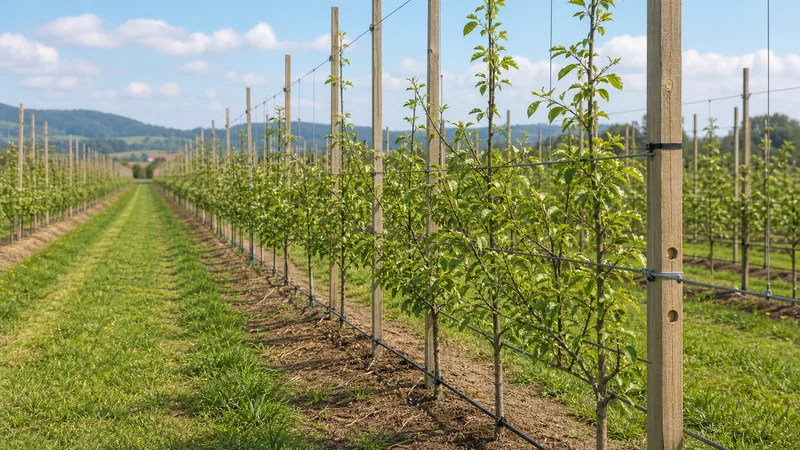
Pear Orchard Floors Should Manage Water, Not Just Weeds
Pear orchard floor management should balance cover growth, bare soil, tree-row competition, drainage, and dry-season moisture.
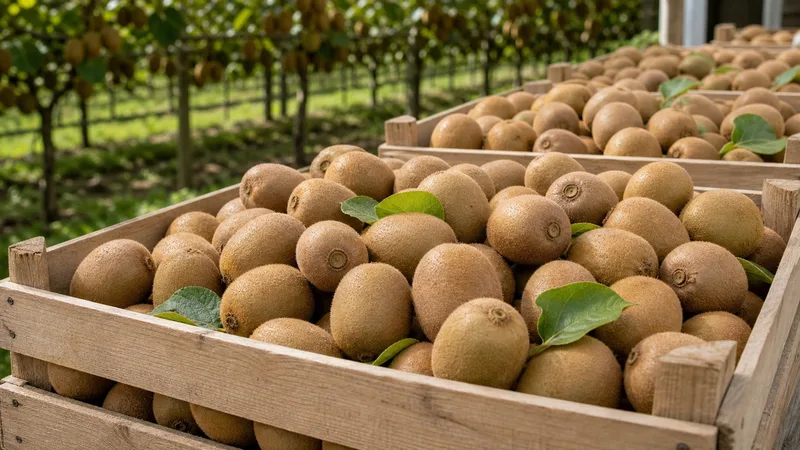
Kiwifruit Harvest Starts While the Fruit Is Still Firm
Kiwifruit harvest should be judged by mature firmness, canopy sampling, staged picking, gentle handling, and sorting before storage.
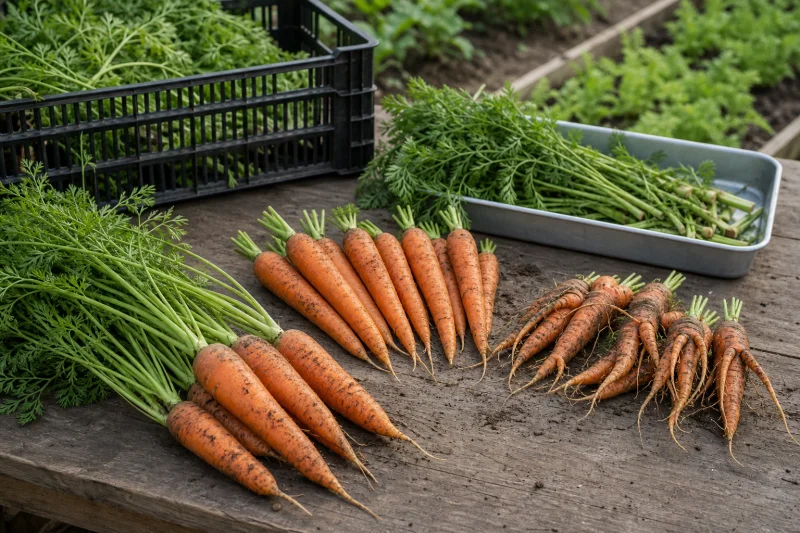
Carrot Shoulders Say More Than Tall Tops
Carrot harvest timing should be checked at the root shoulder, not only by leaf growth. Trial pulls, steady late moisture, and early sorting help prot…
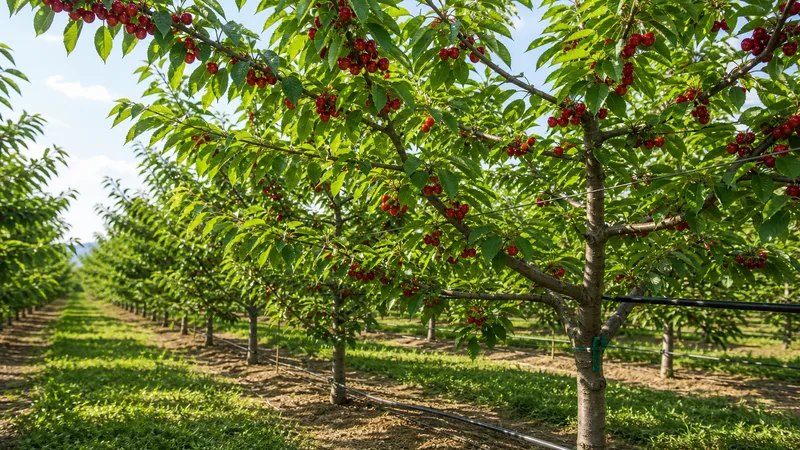
Cherry Canopies Can Close Before the Fruit Is Ready
Cherry summer pruning should protect light, fruit color, water balance, and picking access before harvest pressure builds. A dense canopy can create…
Spinach Is Ready When the Leaves Feel Right
Spinach harvest timing is not just a full-bed decision. Leaf texture, steady moisture, crown crowding, and a staged harvest plan often decide whether…
Do Not Pull Garlic Just Because the Leaves Turn Yellow
Garlic harvest timing should be checked by bulb, neck, wrapper, and soil condition together. Clean lifting and airy curing matter as much as the harv…
A Full Celery Bed Can Still Be Hard to Read
Celery spacing should leave the row base visible long enough for real field checks. Root-zone moisture, airflow, and access matter before stalk textu…
Melon Sweetness Starts With the Fruit You Decide to Keep
Melon quality after fruit set depends on fruit load, canopy balance, steady moisture, fruit position, and harvest timing. Bigger fruit is not always…
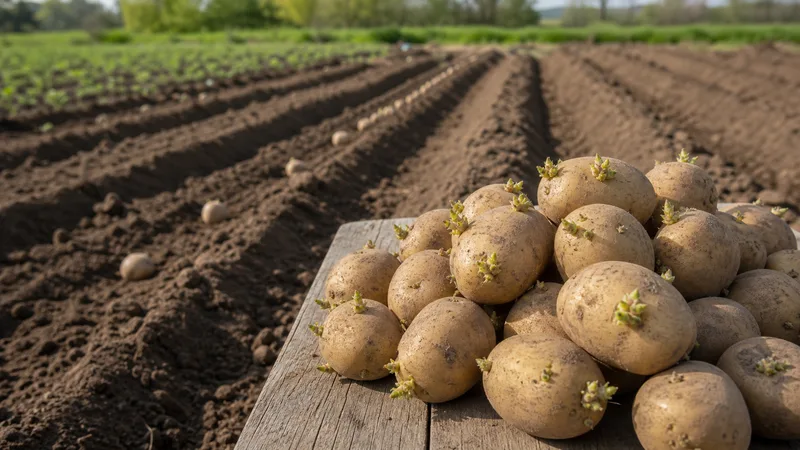
Potato Seed Pieces Need Time to Heal Before They Go Into the Ridge
Potato emergence starts with seed-piece quality. Clean cutting, a firm healed surface, short sprouts, and planting into prepared soil make the stand…
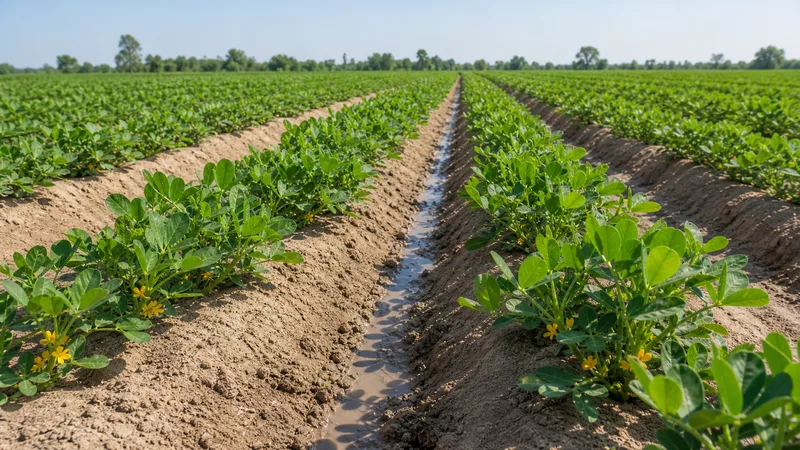
Peanut Pegging Needs Loose Soil Before Pods Can Fill
Peanut flowering is only the start of pod set. Loose soil near the row base, steady moisture, and repeat field checks help pegs enter cleanly and sup…
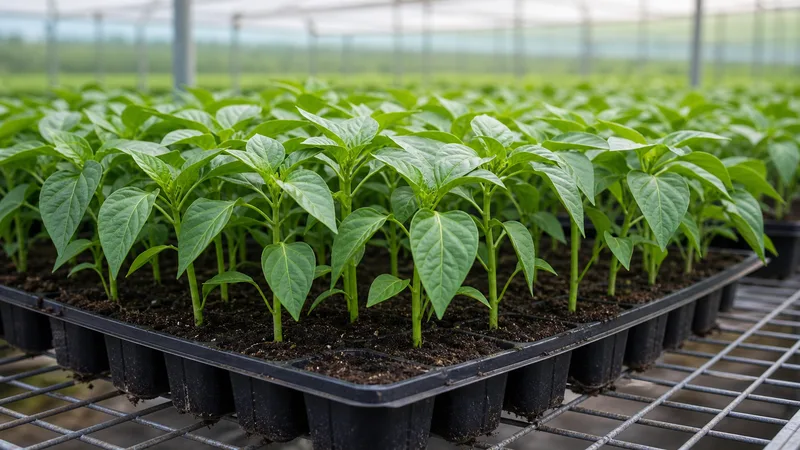
Pepper Seedlings Need Even Emergence Before They Leave the Nursery
Pepper seedling quality starts before transplanting. Uniform emergence, a firm root ball, balanced moisture, and gradual hardening help plants recove…
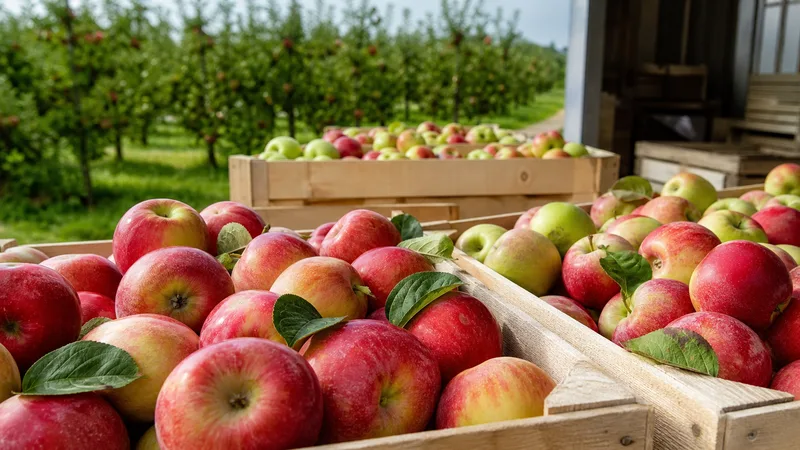
Apple Color and Harvest Quality Start Before the Picking Crew Arrives
Apple harvest quality depends on bag removal timing, weather, light exposure, gentle fruit turning, maturity zones, and careful picking.
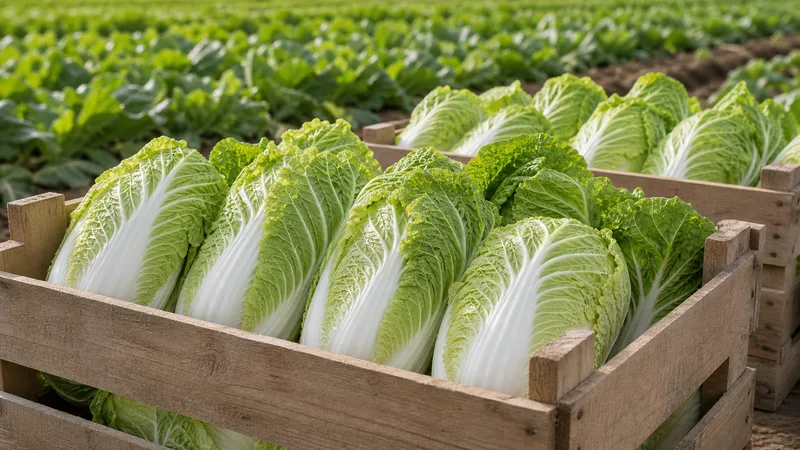
Chinese Cabbage Quality Depends on Cooling Before It Is Packed
Chinese cabbage harvest quality depends on maturity, dry leaf surfaces, field heat, cooling, sorting, packaging, and the delivery route.
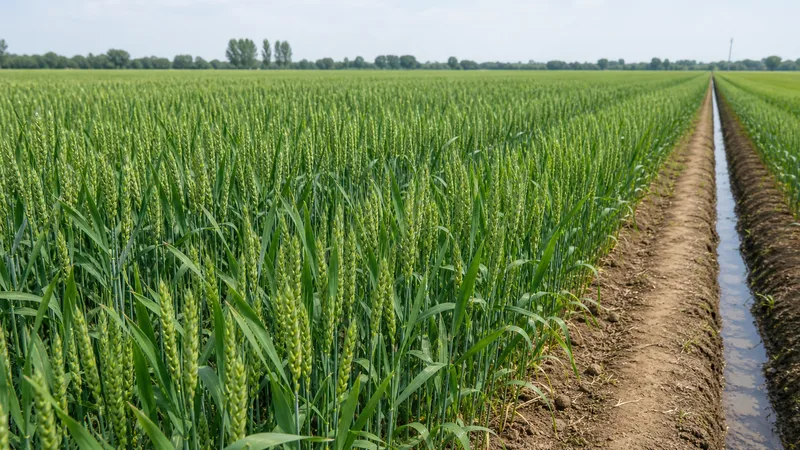
Wheat Spring Recovery Starts With Field Zones, Not One Watering Plan
Spring wheat recovery improves when weak zones, strong zones, soil moisture, shallow surface work, and tiller survival are managed separately.
Latest Topics
Fruit and Berry Annual Management
Orchard and berry crop references organized around canopy, water, harvest timing, and seasonal follow-up.
Vegetable Seedlings, Transplanting, and Staggered Harvests
Vegetable growing references focused on nursery timing, transplanting, spacing, and harvest windows.
Field Crop Stand Establishment and Harvest Quality
Field crop references for emergence, plant stand, spacing, water, harvest timing, and postharvest handling.
Root and Bulb Crop Soil and Storage
References for root and bulb crops, from soil preparation and spacing to harvest curing and storage quality.
Vine and Melon Trellis, Canopy, and Ripeness
Guides for vine and melon crops covering supports, canopy airflow, fruit setting, ripeness, and harvest decisions.