Citrus trees rarely improve because they are cut back hard once a year. The better long-term result comes from maintaining clear light paths, accessible tree interiors, and an orchard floor that does not hold water around permanent roots.
Build the tree shape before it becomes expensive
Young citrus responds well to small directional cuts and branch choices that leave a durable framework. Large corrective cuts later can stimulate dense regrowth without fixing the original shading pattern.
Look into the tree from the row. You should see defined scaffold branches and light moving through the interior rather than a mass of crossing upright shoots.
Watch the orchard floor after real rain
Citrus roots need moisture but do poorly where water stands or soil stays sealed. Drainage decisions are easiest to make while water is still showing where it moves and where it stops.
Return to the lowest parts of the block after a rain event. Mark spots where water remains longer than surrounding ground and inspect nearby trees for weaker flushes.
Balance fruit with the current canopy
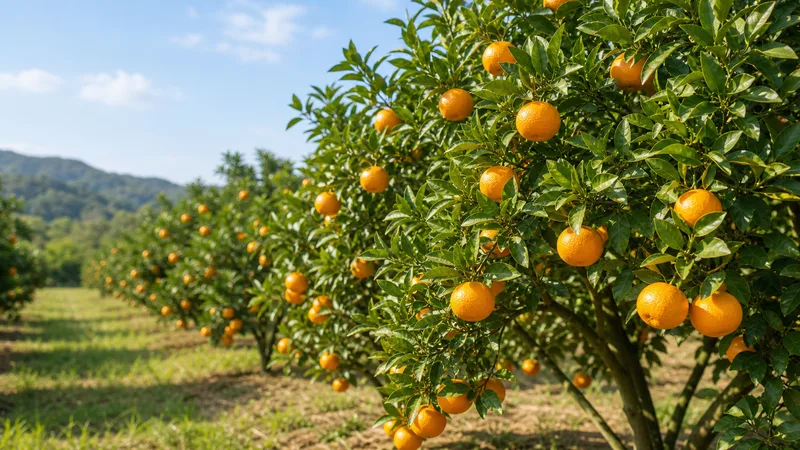
A heavily carrying tree can look successful while failing to make useful new growth for the following season. Crop decisions should consider leaf area, branch strength, and whether the tree is entering a stress period.
Compare the size and color of leaves near loaded branches with leaves on lighter branches. The contrast often reveals overload before fruit size makes it obvious.
Pick with the next handling step in mind
Fruit maturity, picking tools, bin depth, and shade at the field edge all affect market condition. Avoid turning harvest into a second source of bruising or heat load.
Check the first harvested bins before they leave the block. Fruit should not be sitting in direct sun or pressed against rough container edges.
Use the citrus canopy pruning guide for the detailed light-and-airflow pass. Fruit set and young-fruit load are covered separately in the young citrus fruit guide.
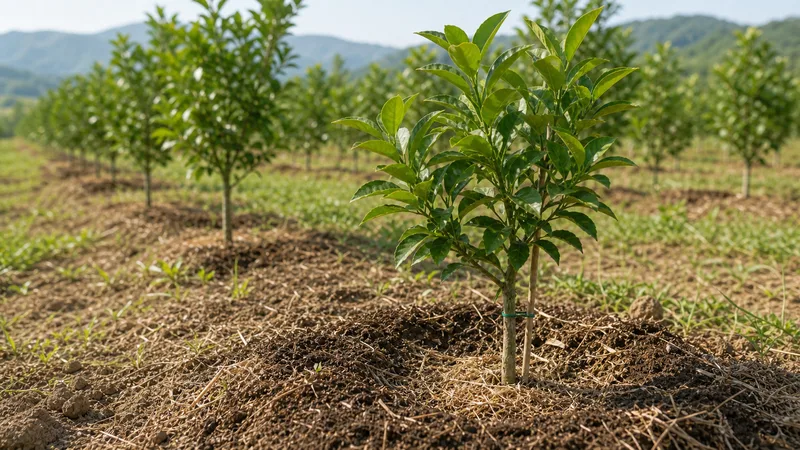
An open citrus canopy is not an empty one. It is a canopy that can carry fruit, make new wood, and still be inspected from the ground.