After citrus bloom, it is tempting to judge the orchard by how many young fruit are still hanging. That number can be misleading. A tree that holds too much too early may struggle to size fruit, renew shoots, and recover after harvest.
The main citrus growing guide covers drainage, canopy density, and year-round crop load. The pruning guide explains how to open citrus light without stripping the tree. This article sits between them: the young-fruit window, when the grower needs to read tree strength, water rhythm, new flush, and realistic fruit load together.
Young fruit drop is not always the enemy
Citrus trees naturally shed part of the bloom and young fruit. Some drop is a way for the tree to match fruit load with available leaves, roots, and stored energy. The problem is not that every fruit drop happens. The problem is when drop is driven by stress, or when too many fruit remain on a tree that cannot finish them well.
Start by reading the tree, not just the fruit count. Are leaves thick and functional? Is the canopy still receiving light inside? Are spring shoots maturing, or are they weak and pale? A tree with moderate fruit and strong leaves may finish a better crop than a tree that holds too many young fruit and then stalls.
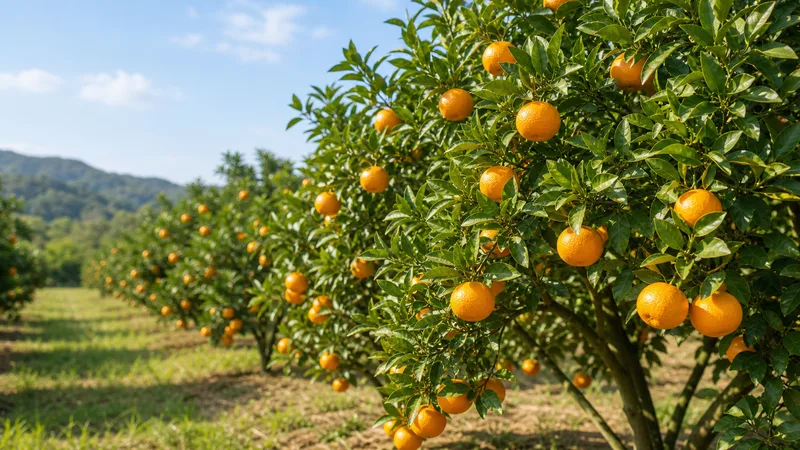
Balance new shoots and fruit before the canopy gets crowded
After flowering, citrus trees must divide energy between young fruit and new vegetative growth. If the tree is weak, too much fruit can reduce useful shoot growth for the next season. If the tree is very vigorous, uncontrolled shoots may compete with young fruit and shade the canopy.
The useful goal is balance. Do not remove every new shoot, and do not keep every fruit. Watch where shoots are growing, whether they are helping renew the canopy, and whether they are creating shade around fruiting wood. This connects directly with summer pruning, but the decision starts earlier, while fruit and shoots are both still small.
Water rhythm matters more than one heavy irrigation
Young citrus fruit are sensitive to sudden root stress. Dry soil followed by heavy watering can push uneven growth. Wet soil that stays short of air can weaken roots and reduce the tree's ability to carry fruit. Either extreme can make fruit retention and later sizing less stable.
Keep the root zone evenly moist, but not waterlogged. In rainy periods, make sure water has a way to leave the orchard. In dry periods, avoid waiting until the tree shows obvious stress before watering. A stable root zone supports both leaf function and fruit growth.
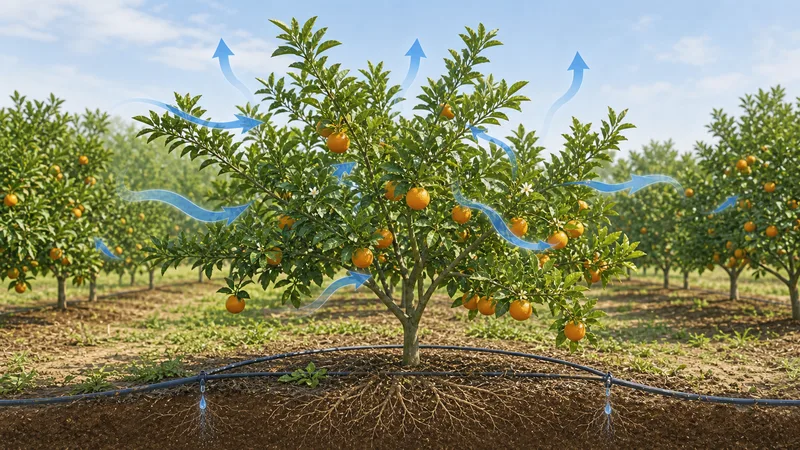
This is similar to pear fruit load and summer canopy management: fruit size and quality are built before the tree becomes crowded and before water stress is obvious.
Do not let one heavy crop steal next year's structure
Alternate bearing often begins when a heavy crop consumes too much tree energy. If fruit load is too high, shoots may be weaker, leaves may age faster, and the following season's flowering wood may be poorer. A high number of fruit this year is not useful if it leaves the tree tired next year.
Thin or adjust load where fruit are clustered, where branches are weak, or where a young tree is carrying more than its framework should. The aim is not a bare tree. The aim is a crop the tree can finish while still renewing enough canopy for the next cycle.
Harvest quality starts during the young-fruit window
By harvest time, many quality differences have already been set. Fruit that were crowded early may size unevenly. Fruit on shaded or weak branches may color and mature differently. Trees that carried too much may need longer recovery after picking.
Use the young-fruit stage to mark problem zones: branches that always overcrop, interior areas that shade quickly, low spots that stay wet, and trees that look full of fruit but weak in leaves. Those notes make later harvest, pruning, and next-season load decisions more precise.
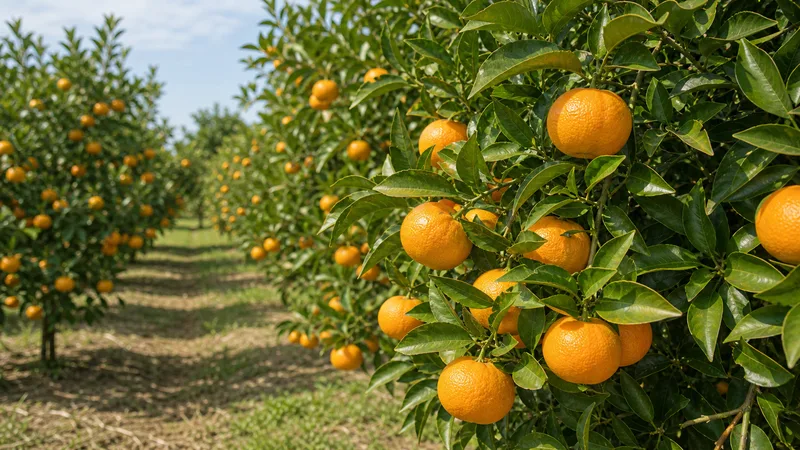
Citrus young-fruit management is not about saving every fruit. It is about helping the tree keep the fruit it can finish well. Stable water, usable leaves, enough light, and realistic crop load will usually do more for quality than chasing the highest early fruit count.